Raúl Rivas: A Champion Judoka Redefining Visually Impaired Sports
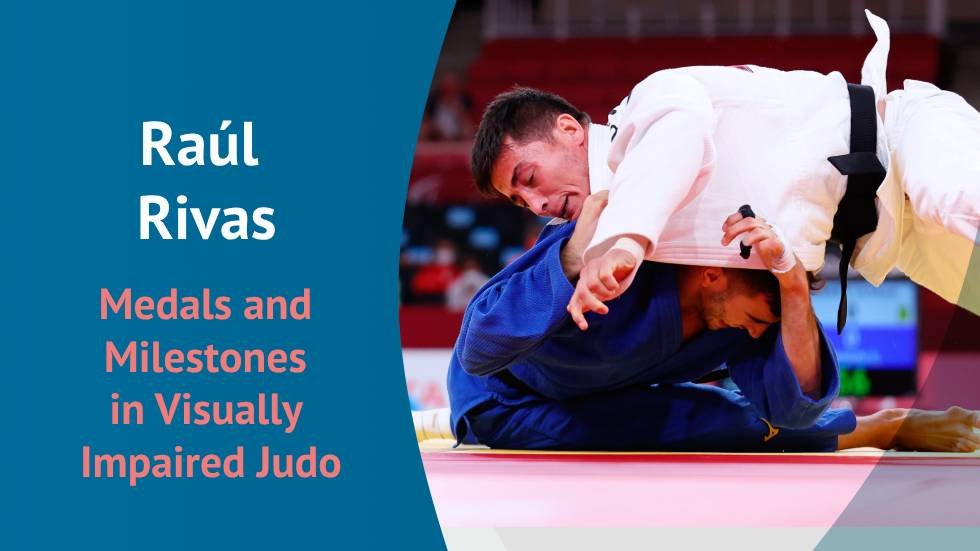
How Discipline, Adaptation, and Determination Helped a Visually Impaired Athlete Reach the International Stage
Raúl Rivas is an inspiring name in the world of visually impaired judo. His journey demonstrates how discipline, training, adaptability, and determination can help an athlete compete at an international level while challenging common assumptions about disability. Judo is a sport built around balance, movement, timing, grip, technique, and strategy. For visually impaired athletes, it presents a unique challenge because competitors cannot depend on conventional visual cues in the same way as sighted athletes. Instead, they must develop an exceptional awareness of their opponent's movement through physical contact, positioning, sound, and timing. Rivas has built his sporting journey around these principles. Competing in the men's -81 kg category, he has represented Spain at major international events and established himself as an accomplished visually impaired judoka. His story is more than a record of medals and competitions. It is a reminder that when athletes with disabilities receive opportunities, training, coaching, and encouragement, they can develop extraordinary skills. For visually impaired girls, stories like Rivas's can provide an equally important message: disability should not determine the size of a person's ambitions. Your support can help create opportunities for the next generation. Donate to Battle For Blindness Foundation and help visually impaired girls access sports, education, technology, and other essential support.
Who Is Raúl Rivas?
Raúl Rivas is a Spanish judoka who has competed internationally in visually impaired judo. He competes in the men's -81 kg weight category, a division that requires athletes to combine physical strength with technical precision and tactical intelligence. His career has included appearances at European and World-level competitions, where he has competed against some of the strongest visually impaired judokas in the world. What makes his journey particularly significant is the way judo accommodates athletes with visual impairments while still demanding a high level of physical and mental performance. Judo is not simply about strength. An elite judoka must understand balance, leverage, timing, grip fighting, movement, and positioning. For a visually impaired athlete, these skills become even more important.
Understanding Visually Impaired Judo
Judo is one of the most technically demanding combat sports. Competitors attempt to throw or control their opponents using carefully developed techniques. In visually impaired judo, athletes may begin the contest already establishing physical contact. This changes how they approach the fight. Instead of visually studying an opponent's stance from a distance, athletes rely heavily on touch and physical awareness. They need to recognize subtle movements through their grip. They must understand changes in body position. They need to anticipate an opponent's next action. They must react quickly when balance shifts. This makes visually impaired judo a fascinating example of how athletes can adapt competitive sport to different sensory experiences.
Why Judo Is Particularly Suitable for Visually Impaired Athletes
Judo relies heavily on physical contact. That makes it possible for visually impaired athletes to participate at a high level without needing to track an opponent visually across a large playing area. The athlete can feel movement through the grip and body contact. This does not make judo easy. In fact, the physical and mental demands remain extremely high. A successful judoka must understand:
- Balance
- Grip control
- Timing
- Body positioning
- Throwing techniques
- Defensive techniques
- Reaction speed
- Opponent movement
- Physical conditioning
- Mental discipline
These skills take years to develop.
Raúl Rivas and the Importance of Weight Category
Competing in the -81 kg category means Rivas faces athletes who combine significant physical strength with advanced technical ability. Weight categories exist to promote fairer competition and ensure that athletes compete against opponents within a similar weight range. But weight alone does not determine success. Judo rewards technique. A technically skilled athlete can use an opponent's movement and balance to execute a successful throw. This is one of the reasons the sport is often described as a combination of physical ability and strategic intelligence. Rivas's experience in this category demonstrates the importance of developing both strength and technical skill.
Training for Elite Judo
Reaching international competition requires consistent preparation. A judoka's training can involve technical drills, strength and conditioning, flexibility, balance work, sparring, tactical preparation, and recovery. For visually impaired athletes, training may also focus on developing heightened awareness of physical cues. Repetition is critical. Athletes need to perform techniques until movements become familiar. They must understand how their bodies respond to different situations. They must also learn how opponents may react. This preparation allows athletes to make decisions quickly during competition.
The Role of Discipline
Judo teaches discipline from the beginning. Athletes must attend training regularly. They must respect coaches and teammates. They must learn from mistakes. They must control their emotions. They must continue working when progress feels slow. These lessons extend beyond the mat. For young visually impaired girls, participation in sport can help develop habits that support education and future careers. Discipline developed through sport can become discipline in study. Teamwork learned during training can become communication skills in professional life. Confidence developed through competition can influence everyday independence.
Mental Strength in Competitive Judo
Physical strength is important, but mental preparation can be equally significant. A judo match can change in seconds. An athlete may be ahead and then suddenly lose control of the contest. The ability to remain focused after a mistake is therefore essential. Athletes must learn to manage pressure and remain calm. They need to trust their training. They need to make decisions without becoming overwhelmed. For visually impaired athletes, concentration is especially important because they may depend heavily on physical feedback to understand their opponent's movements. Rivas's journey demonstrates the value of developing both physical and mental resilience.
Competing at the European and World Level
International competition represents an important milestone for any athlete. For visually impaired judokas, European and World Championships bring together athletes with extensive training and experience. Competitors face different styles and approaches. They must adapt to opponents who may have different techniques and strategies. International competition also provides valuable learning opportunities. Every match can teach an athlete something new. A victory can confirm that training is working. A defeat can reveal an area that needs improvement. This continuous process of learning is an essential part of elite sport.
Breaking Stereotypes Through Sport
One of the most powerful aspects of Paralympic and adaptive sports is their ability to challenge stereotypes. Visual impairment is often discussed primarily in terms of limitations. Elite athletes provide another perspective. They demonstrate skill, ambition, discipline, competitiveness, and leadership. Rivas's journey shows that a visually impaired athlete can compete in a physically demanding combat sport at the international level. This can change how communities think about disability. It can also influence how young people with disabilities see themselves. A child who sees a successful visually impaired athlete may begin to think: “Maybe I can do that too.” That change in mindset can be powerful.
Why Sports Opportunities Matter for Visually Impaired Girls
Not every visually impaired girl receives the opportunity to participate in sport. Some may face financial barriers. Others may lack access to appropriate facilities, transportation, coaching, or equipment. Families may also be uncertain about whether sports are suitable for children with visual impairments. These barriers can prevent talented young people from discovering their potential. Accessible sports training for visually impaired girls can help address this gap. Sports can provide young women with opportunities to develop:
- Confidence
- Physical fitness
- Self-discipline
- Teamwork
- Leadership
- Resilience
- Communication skills
- Independence
You can help make these opportunities possible. Donate to Battle For Blindness Foundation and support programs that help visually impaired girls learn, train, and build confidence.
Education Must Remain a Priority
Sports are important, but education remains a critical part of long-term independence. Visually impaired students may need accessible learning materials, technology, financial support, and specialized assistance. Through educational support and initiatives, students can receive resources designed to support their academic development. Scholarship support can also help reduce financial barriers. Education can open pathways toward higher studies, professional careers, and greater financial independence. When education and sports are combined, young women can develop both confidence and practical skills.
Assistive Technology Can Open New Doors
Technology has transformed many aspects of life for people with visual impairments. Screen readers can make digital content accessible. Smartphones can provide communication and navigation tools. Accessible computers can support education and employment. Digital learning platforms can give students access to information. Through assistive technology initiatives, visually impaired individuals can gain access to resources that support learning and independence. Programs such as laptop distribution for blind students can provide valuable tools for students who may otherwise struggle to access digital education.
From Sports to Employment
Empowerment should continue beyond the classroom and sports field. Visually impaired girls need opportunities to prepare for professional life. Employment support for visually impaired girls can help young women develop skills and prepare for workplace opportunities. For students interested in government careers, preparation for government job examinations can support their preparation for competitive examinations. A supportive residential facility can also provide a structured environment where education, training, and personal development can continue.
Battle For Blindness Foundation: Supporting Potential
Raúl Rivas's journey demonstrates what can happen when a person receives the opportunity to develop their abilities. Battle For Blindness Foundation works to create opportunities for visually impaired girls through education, sports, assistive technology, scholarships, employment support, and other initiatives. The foundation's mission and vision focus on creating meaningful opportunities and supporting visually impaired individuals toward greater independence. You can learn more about the organization through its story and team. Its initiatives include walking cane distribution, Braille learning and writing support, and grocery support for blind individuals. The foundation also supports technology access through laptop distribution and social inclusion through its matrimony initiative. You can explore its campaigns and initiatives to learn more about the organization's work. The foundation also shares its statistics and achievements, testimonials, and gallery. Your contribution can help turn potential into opportunity. Donate to Battle For Blindness Foundation and help visually impaired girls gain access to education, sports, technology, and skills development.
The Importance of Role Models
Athletes such as Raúl Rivas can become important role models for young people with disabilities. Role models demonstrate that success is possible. They also show that challenges can be approached through preparation and persistence. For a visually impaired girl, seeing an athlete compete internationally can challenge the belief that disability should limit her ambitions. Representation can influence confidence. It can encourage families to support participation. It can motivate communities to invest in accessible sports programs. The impact of a successful athlete can therefore extend far beyond the competition arena.
The Power of Perseverance
Every successful athlete experiences setbacks. There may be difficult training sessions. There may be losses. There may be injuries or periods when improvement is slow. The ability to continue learning is what makes long-term progress possible. Judo provides a powerful example of this principle. Athletes must constantly adjust their techniques. They must study opponents. They must refine their movements. They must learn from every competition. Raúl Rivas's journey demonstrates the importance of continuing to improve even when the path is challenging.
Creating the Next Generation of Athletes
Celebrating successful athletes is important. But creating opportunities for future athletes is even more important. A future Paralympic athlete may currently be a young girl who has never participated in organized sport. She may not know what she is capable of achieving. She needs an opportunity to try. That opportunity could come through a local sports program. It could be a coach who recognizes her ability. It could be accessible equipment. It could be transportation to training. It could be financial assistance. Small opportunities can sometimes become the foundation of extraordinary journeys.
Turning Inspiration Into Action
Raúl Rivas's story reminds us that athletic achievement is built through opportunity, discipline, training, and perseverance. His success in visually impaired judo challenges outdated ideas about what people with visual impairments can accomplish. But his story should not only inspire admiration. It should encourage action. If we want more visually impaired athletes to succeed, we need to create opportunities before they reach the international stage. That means investing in sports training, education, technology, coaching, and support systems. If Raúl Rivas's journey inspires you, turn that inspiration into action. Donate to Battle For Blindness Foundation and help visually impaired girls access the opportunities they need to discover their potential.
Conclusion
Raúl Rivas's journey as an international visually impaired judoka is a powerful example of determination, discipline, adaptability, and sporting excellence. Judo requires physical strength, technical precision, balance, strategy, and mental resilience. For visually impaired athletes, the sport also requires exceptional awareness of physical movement and trust in their training. His achievements demonstrate that visual impairment does not have to define the boundaries of athletic ambition. For visually impaired girls, access to sports can provide much more than an opportunity to compete. It can help build confidence, discipline, teamwork, resilience, leadership, and independence. When sports are combined with education, scholarships, assistive technology, employment support, and a supportive environment, they can become part of a much larger journey toward empowerment. Help create that journey for the next generation. Donate to Battle For Blindness Foundation and support visually impaired girls as they work toward confident, skilled, and independent futures.
Frequently Asked Questions About Raúl Rivas and Visually Impaired Judo
1. Who is Raúl Rivas?
Raúl Rivas is a Spanish visually impaired judoka who has competed internationally and represented Spain in the men's -81 kg category.
2. What weight category does Raúl Rivas compete in?
Raúl Rivas competes in the men's under-81 kg category.
3. What is visually impaired judo?
Visually impaired judo is an adapted form of judo in which athletes with visual impairments compete using rules and arrangements designed to support fair and safe competition.
4. How do visually impaired judokas compete without relying on sight?
They rely heavily on physical contact, grip, balance, movement, timing, and awareness of their opponent's body position.
5. What skills are important in visually impaired judo?
Important skills include strength, balance, grip control, timing, technique, spatial awareness, reaction speed, strategy, and mental resilience.
6. Can visually impaired girls participate in martial arts?
Yes. With appropriate coaching, accessibility, safety measures, and training, visually impaired girls can participate in martial arts and other sports.
7. Why are adaptive sports important for visually impaired girls?
Adaptive sports can help develop confidence, physical fitness, discipline, teamwork, leadership, communication, resilience, and independence.
8. How can assistive technology help visually impaired students?
Assistive technology such as screen readers, accessible computers, smartphones, and digital learning tools can improve access to education and information.
9. How can I support visually impaired girls?
You can support them through donations, sports training, education, scholarships, assistive technology, employment initiatives, and other programs.
10. How can I donate to Battle For Blindness Foundation?
You can visit the Battle For Blindness Foundation donation page to support initiatives that empower visually impaired girls.
Support the Future of Visually Impaired Girls
Raúl Rivas's journey shows how opportunity and determination can help a visually impaired athlete reach the international stage. For another young person, the journey may begin much earlier with a sports program, scholarship, accessible technology, educational support, or a mentor who believes in her abilities. Every opportunity can become a starting point. Your support can help create those starting points. Donate to Battle For Blindness Foundation and help visually impaired girls build confidence, skills, and greater independence.
Explore More From Battle For Blindness Foundation
Discover more stories and resources about visual impairment, para sports, education, and empowerment. Read real stories and case studies to learn how support can create meaningful change. You can also explore the foundation's testimonials and gallery. To learn more about the foundation or discuss ways to support its work, visit the contact page. Real stories or case studies: Stories of Change
Support the Visually Impaired
People to make them Independent

Every little contribution you make will be a little flicker of light in the lives of visually impaired girls who dream of a brighter future.
Donate now

In case you have donated directly through UPI, Bank transfer, through cheque kindly WhatsApp your details on +91-8383933493

Every Contribution will be utilized with 100% transparency. The beneficiary photographs will be sent to you with an 80G Tax Benefit Certificate

Battle For Blindness Foundation committed to 93% go directly towards projects that directly benefit the Abandoned blind girls

