Making Connections: Essential Social Skills for Teens with Visual Impairments
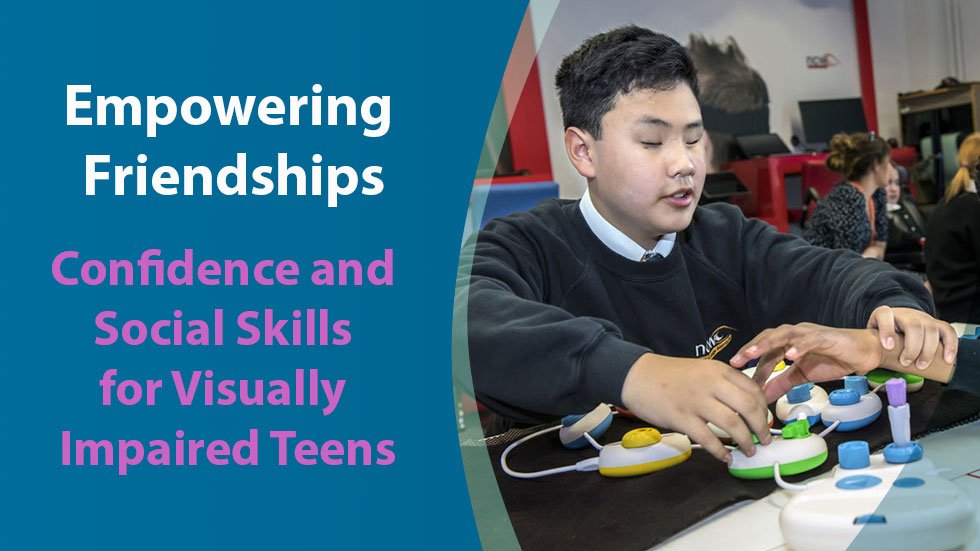
For teenagers with visual impairments, developing strong social skills is key to fostering self-confidence, independence, and meaningful relationships. Just like their sighted peers, teens with visual impairments need to navigate complex social situations, build friendships, and communicate effectively with others. However, because they may face challenges in visual social cues like body language, facial expressions, and non-verbal communication, developing these skills often requires intentional practice and support.
In this blog, we’ll explore some essential social skills for teens with visual impairments and provide tips on how to foster these abilities.
1. Effective Communication
Clear communication is the foundation of all social interactions. Teens with visual impairments may not always be able to rely on visual cues, so it’s crucial to focus on verbal communication. Here are a few tips for enhancing communication skills:
- Active Listening: Encourage teens to practice active listening by focusing on the tone, pitch, and rhythm of people’s voices. It’s also helpful to learn how to respond appropriately to what others are saying, which builds rapport and understanding.
- Clear Expression: Speak clearly and at a moderate pace. For teens who use assistive technologies, such as screen readers or braille displays, making sure these tools are optimized for smoother communication can help.
2. Understanding Body Language
While body language is a challenge for visually impaired teens, learning how to recognize and interpret it through other senses can be invaluable. Teens can be trained to recognize physical gestures through touch or by listening to the tone of a person’s voice, which can offer subtle hints about emotions and reactions.
- Tone of Voice: The way something is said often reveals more about the speaker’s feelings than the words themselves. Practice recognizing differences in tone to identify if someone is happy, sad, or angry.
- Touch and Sensory Cues: In some cases, touch can be used as a way to interpret body language. For instance, handshakes, patting someone on the back, or other forms of physical contact can help teens understand the emotions behind a conversation.
3. Building Empathy
Empathy plays a crucial role in building strong social connections. Teaching teens how to recognize the feelings of others and respond appropriately can strengthen relationships. This can involve practicing scenarios where they identify emotions in others through vocal tone, facial expressions (described verbally), or physical touch.
- Role-Playing Scenarios: Role-playing is an effective way to practice responses to various social situations. For example, teens can practice comforting a friend who is upset or responding to someone who is excited.
- Expressing Feelings: Teens should also be encouraged to express their own emotions clearly. Understanding how to share their thoughts and feelings can help them connect with others on a deeper level.
4. Making Small Talk
Small talk is an essential social skill for making new friends and navigating social events. Since visual impairments may prevent teens from reading body language or facial expressions, focusing on verbal interactions can help. Practice can help improve confidence and smoothness in these brief exchanges.
- Starting Conversations: Encourage teens to ask open-ended questions that require more than a yes or no answer. For example, “What did you do over the weekend?” or “What do you think of the new movie?”.
- Sharing Information About Themselves: Teens should be encouraged to share their thoughts, feelings, and experiences with others. Self-disclosure fosters trust and gives others a chance to get to know them better.
5. Navigating Group Dynamics
Being part of a group or team offers a great opportunity to practice social skills, but it can be challenging for visually impaired teens, especially in unfamiliar environments. Understanding group dynamics and feeling comfortable in social settings is important for building lasting friendships.
- Group Conversations: Teens can practice how to join in group conversations, ensuring they don’t dominate the discussion but still contribute meaningfully.
- Non-Verbal Cues in Groups: Teaching teens how to recognize when a conversation is changing direction or when someone else wants to speak can help them feel more at ease in group settings.
6. Conflict Resolution
Learning how to handle disagreements and misunderstandings is a vital social skill. In situations where a conflict arises, teens with visual impairments may struggle to gauge non-verbal cues like body language and facial expressions. However, by focusing on verbal communication and listening skills, they can address issues in a calm and respectful manner.
- Calm Communication: Encourage teens to express their views without raising their voice, and teach them to listen to others’ perspectives.
- Apologizing and Forgiveness: Understanding when and how to apologize, as well as offering forgiveness, are essential skills that can help resolve conflicts and maintain friendships.
7. Navigating Social Media and Online Communication
In today’s world, social interactions often extend to the digital space. While social media and online communication can be a powerful tool for staying connected, they also come with challenges, particularly for visually impaired teens who may struggle with navigating websites or apps that are not designed for accessibility.
- Safe Online Behavior: It’s essential to teach teens the importance of safety and respect when communicating online. They should be aware of privacy settings and how to avoid online harassment.
- Accessible Platforms: Encouraging teens to use accessible social media platforms and tools designed for people with visual impairments, such as voice-activated commands and screen readers, can help them feel more confident online.
Conclusion
Building social skills for teens with visual impairments is a journey that requires patience, practice, and support. By focusing on communication, empathy, understanding body language through non-visual means, and fostering self-confidence, these teens can develop the essential social skills needed to navigate the world, make lasting friendships, and feel connected to their peers.
Parents, teachers, and mentors all play an important role in providing guidance, encouragement, and opportunities for practice, ensuring that teens with visual impairments have the tools they need to succeed socially and emotionally.
Support the Visually Impaired
People to make them Independent

Every little contribution you make will be a little flicker of light in the lives of visually impaired girls who dream of a brighter future.
Donate now

In case you have donated directly through UPI, Bank transfer, through cheque kindly WhatsApp your details on +91-8383933493

Every Contribution will be utilized with 100% transparency. The beneficiary photographs will be sent to you with an 80G Tax Benefit Certificate

Battle For Blindness Foundation committed to 93% go directly towards projects that directly benefit the Abandoned blind girls

