Chris Holmes: A Paralympic Gold Medalist Who Redefined Swimming Excellence
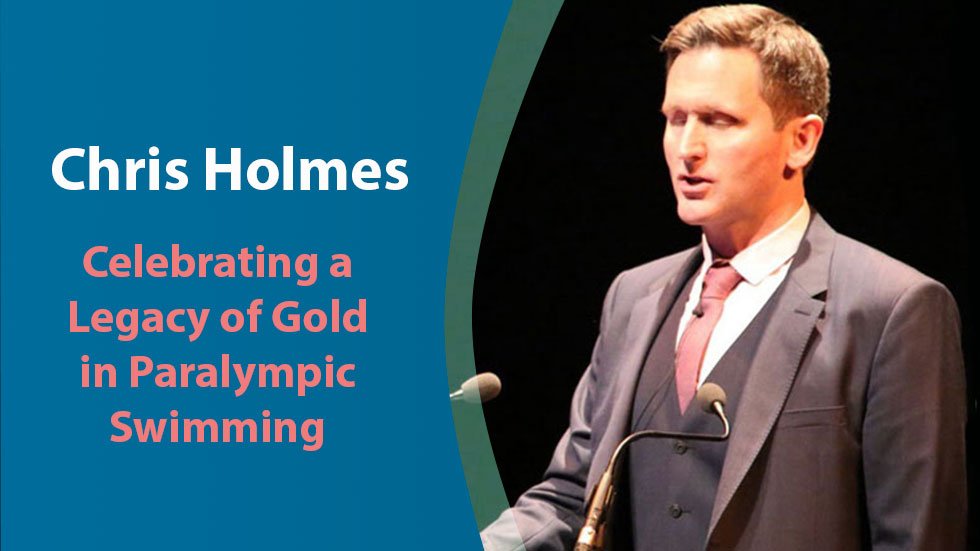
How Determination, Discipline, and Adaptability Helped a Visually Impaired Swimmer Reach the Top
Chris Holmes is one of the most recognized figures in Paralympic swimming. His career demonstrates how determination, discipline, and opportunity can help an athlete with visual impairment reach the highest levels of international sport. As a visually impaired swimmer representing Great Britain, Holmes built an extraordinary career that included multiple Paralympic gold medals and world-class performances. His achievements helped demonstrate that disability does not have to prevent an athlete from pursuing excellence. His story is not simply about medals. It is about preparation, resilience, confidence, and the willingness to continue pushing boundaries. For visually impaired children and young people, stories like Chris Holmes's can provide an important message. With the right support, accessible opportunities, training, and encouragement, they can discover abilities that might otherwise remain unexplored. You can help create similar opportunities for visually impaired girls. Donate to Battle For Blindness Foundation and support access to sports, education, assistive technology, and personal development.
Who Is Chris Holmes?
Chris Holmes is a British Paralympic swimmer who became one of the most successful visually impaired swimmers of his generation. Born with visual impairment, Holmes developed an interest in swimming and eventually progressed to elite competition. His career took him to the Paralympic Games, where he competed against some of the world's strongest swimmers. Through years of preparation and competition, he established himself as a multiple Paralympic gold medalist. His achievements made him an important figure in British Paralympic sport and an influential role model for people with disabilities.
Chris Holmes and Paralympic Swimming
Paralympic swimming provides opportunities for athletes with different physical and visual impairments to compete at an elite level. Swimmers compete in classified events that are designed to provide fair competition between athletes with similar levels of impairment. For visually impaired swimmers, competing without conventional vision requires exceptional awareness of their surroundings and strong reliance on training. Swimming is highly technical. Athletes need to control:
- Body position
- Breathing
- Stroke technique
- Timing
- Turns
- Race strategy
- Endurance
- Speed
For a visually impaired swimmer, these skills must be developed while adapting to limited visual information.
The Challenge of Swimming With Visual Impairment
Swimming in a competitive pool may appear straightforward when watching from the outside. For a visually impaired athlete, however, the experience can be significantly different. A swimmer must know where they are in the lane. They need to judge when they are approaching the end of the pool. They must maintain their technique without relying on visual feedback. They also need to respond to the movements and rhythm of competitors around them. Training helps athletes develop a strong sense of timing and spatial awareness. For elite swimmers such as Holmes, preparation becomes essential because even a small mistake can affect race performance.
The Importance of Technique
Swimming success is not based only on physical strength. Technique plays a major role. An athlete must maintain an efficient stroke while managing breathing and body position. Small improvements in technique can have a major effect over competitive distances. For visually impaired swimmers, consistency is especially important. They need to develop movements that can be repeated accurately without relying heavily on sight. This requires extensive practice. Every training session can help refine technique. Every race can provide information about what needs improvement.
Training for Paralympic Success
Reaching the Paralympic level requires commitment. Elite swimmers typically spend years developing their strength, endurance, technique, and race strategy. Training may involve:
- Pool-based swimming sessions
- Strength and conditioning
- Endurance training
- Technique development
- Race simulations
- Starts and turns
- Recovery and rehabilitation
- Mental preparation
The workload can be demanding.
Athletes need to balance training with rest and recovery.
They must also remain committed during periods when improvement may seem slow.
Chris Holmes's career demonstrates the importance of sustained preparation.
Mental Strength Behind the Medals
Physical ability is only part of elite sport. Paralympic athletes also need mental resilience. Competition can bring pressure. Expectations can increase after success. Athletes must learn how to manage disappointment, fatigue, and difficult races. The ability to remain focused can make an important difference. For a visually impaired swimmer, mental preparation can also help with navigating the uncertainty of competition. Confidence comes from knowing that training has prepared the athlete for the challenge.
The Role of the Swimming Team
Elite athletes rarely succeed entirely alone. Behind a Paralympic swimmer is often a team that includes coaches, trainers, medical professionals, support staff, family members, and teammates. Coaches help athletes refine technique and develop race strategies. Training partners can create competitive environments. Families can provide emotional support. Medical and fitness professionals can help athletes maintain their physical condition. This support network can be an important part of an athlete's development. Chris Holmes's achievements demonstrate how individual determination and collective support can work together.
Paralympic Gold and Sporting Excellence
Winning a Paralympic gold medal represents the culmination of years of effort. For Chris Holmes, his Paralympic achievements established him as a leading figure in international swimming. His success also helped raise awareness of Paralympic sport. A gold medal can inspire more than the athlete who wins it. It can inspire young people watching from home. A visually impaired child may see a successful swimmer and begin to imagine participating in sport herself. That is one of the most valuable effects of representation.
Breaking Barriers Through Sport
For many years, people with disabilities have faced assumptions about what they can accomplish. Elite Paralympic athletes challenge these assumptions through performance. Chris Holmes's swimming career demonstrated that visual impairment does not eliminate athletic ambition. It does not prevent discipline. It does not prevent competition. And it does not prevent excellence. His achievements helped show audiences that Paralympic athletes should be recognized for their sporting ability and dedication.
Why Sports Matter for Visually Impaired Girls
Chris Holmes's story also raises an important question. What happens when young visually impaired girls receive access to sport at an early age? Sports can provide much more than physical activity. Participation can help develop:
- Confidence
- Physical fitness
- Discipline
- Teamwork
- Communication
- Leadership
- Resilience
- Independence
Accessible sports training for visually impaired girls can help young women discover abilities and develop confidence.
Your donation can help create these opportunities. Support Battle For Blindness Foundation and help visually impaired girls access sports programs, training, and resources.
Education and Sports Should Go Together
Athletic opportunities should complement education rather than replace it. Visually impaired girls need access to quality learning, accessible materials, technology, and financial assistance. Educational support and initiatives can help students continue their academic development. Scholarship support can help reduce financial barriers to education. When young women have access to both education and sports, they can develop a broader range of skills for their future.
Assistive Technology and Independent Learning
Technology has become an important part of modern education. For visually impaired students, accessible technology can make information easier to access. Screen readers can convert digital text into speech. Accessible smartphones can support communication. Computers can provide access to educational resources. Digital tools can also support employment preparation. Through assistive technology initiatives, visually impaired individuals can gain access to tools that support independence. Programs such as laptop distribution for blind students can help young people participate more effectively in digital education.
Building Career Opportunities
Long-term empowerment requires opportunities beyond education and sport. Visually impaired girls should also have access to career guidance and employment preparation. Employment support for visually impaired girls can help young women prepare for professional opportunities. Students interested in government careers can benefit from government job examination preparation. A supportive residential facility can provide an environment where education, training, and personal development can continue.
The Broader Impact of Chris Holmes's Legacy
Chris Holmes's achievements extend beyond his personal sporting career. His success helped demonstrate the potential of Paralympic athletes to international audiences. He became an example of what can happen when talent meets opportunity and preparation. For young visually impaired people, such examples can be extremely valuable. They show that sport can be a serious pursuit. They show that competition can be accessible. Most importantly, they show that disability does not have to define someone's ambitions.
Battle For Blindness Foundation: Creating Opportunities
Stories of successful Paralympians highlight why opportunity matters. Battle For Blindness Foundation works to support visually impaired girls through education, sports, assistive technology, scholarships, employment support, and other initiatives. The organization's mission and vision focus on creating meaningful opportunities and supporting visually impaired individuals toward greater independence. You can learn more about the foundation through its story and team. Its initiatives include walking cane distribution, Braille learning and writing support, and grocery support for blind individuals. The foundation also supports access to technology through laptop distribution and social inclusion through its matrimony initiative. You can explore its campaigns and initiatives to learn more about the organization's work. The foundation also shares its statistics and achievements, testimonials, and gallery. A contribution can help turn potential into opportunity. Donate to Battle For Blindness Foundation and help visually impaired girls gain access to education, sports, technology, and skills development.
The Importance of Role Models
Chris Holmes's achievements can serve as an example for young people with visual impairments. Role models can help children understand that disability does not automatically limit their future. A young girl who sees a visually impaired athlete competing successfully may become more willing to try a sport herself. She may develop confidence. She may discover a talent. She may build friendships through sport. She may eventually become a role model for someone else. This creates a cycle of inspiration and opportunity.
Creating Opportunities Before the Medal
It is easy to celebrate an athlete after a major achievement. But success usually begins long before the medal. It begins with access. It begins with a first training session. It begins with a coach. It begins with equipment. It begins with encouragement. For visually impaired girls, these first opportunities can make a significant difference. Not every participant will become a Paralympic champion. That should not be the expectation. The objective is to ensure that every young person has a fair opportunity to discover what she can achieve.
Turning Inspiration Into Action
Chris Holmes's journey demonstrates the value of discipline, preparation, and opportunity. His Paralympic success shows what a visually impaired athlete can achieve when talent is supported by training and determination. His story should encourage us to think about the athletes of tomorrow. A future champion may currently be a young girl who has never had access to an inclusive sports program. She may be waiting for an opportunity to begin. Providing that opportunity can be one of the most meaningful ways to support inclusion. If Chris Holmes's story inspires you, turn that inspiration into action. Donate to Battle For Blindness Foundation and help create opportunities for visually impaired girls to learn, train, and build independent futures.
Conclusion
Chris Holmes's journey as a Paralympic gold medalist demonstrates the power of determination, preparation, discipline, and opportunity. His achievements in swimming helped challenge perceptions about visual impairment and highlighted the incredible ability of Paralympic athletes to compete at the highest level. For visually impaired girls, sports can provide much more than physical exercise. They can create opportunities to build confidence, resilience, teamwork, discipline, and independence. When sports are combined with education, scholarships, assistive technology, employment preparation, and supportive environments, they can become part of a broader pathway toward empowerment. Help build that pathway for the next generation. Donate to Battle For Blindness Foundation and support visually impaired girls as they work toward confident, skilled, and independent futures.
Frequently Asked Questions About Chris Holmes and Paralympic Swimming
1. Who is Chris Holmes?
Chris Holmes is a British Paralympic swimmer and multiple Paralympic gold medalist who achieved international success in swimming despite visual impairment.
2. What sport did Chris Holmes compete in?
Chris Holmes competed in swimming at the Paralympic level and became one of Britain's most successful visually impaired swimmers.
3. Why is Chris Holmes an important Paralympic figure?
His achievements helped raise the profile of Paralympic swimming and demonstrated the high level of skill and dedication required by visually impaired athletes.
4. What challenges do visually impaired swimmers face?
Visually impaired swimmers may need to adapt to limited visual information when maintaining lane position, approaching the pool wall, turning, and competing against other swimmers.
5. How can visually impaired swimmers train effectively?
They can use structured swimming programs, technical training, physical conditioning, race practice, coaching, and specialized techniques designed around their visual needs.
6. Can visually impaired girls participate in swimming?
Yes. With suitable coaching, accessible facilities, safety measures, and appropriate support, visually impaired girls can participate in swimming and other sports.
7. What are the benefits of sports for visually impaired girls?
Sports can help improve physical fitness, confidence, discipline, communication, teamwork, resilience, leadership, and independence.
8. How can technology help visually impaired students?
Assistive technology such as screen readers, accessible computers, smartphones, and digital learning tools can help students access educational information more independently.
9. How can I support visually impaired girls?
You can support them through donations, sports training, education, scholarships, assistive technology, employment programs, and other initiatives that promote independence.
10. How can I donate to Battle For Blindness Foundation?
You can visit the Battle For Blindness Foundation donation page to support initiatives designed to empower visually impaired girls.
Support the Future of Visually Impaired Girls
Chris Holmes's story shows how opportunity and determination can transform potential into achievement. For another visually impaired child, the journey may begin with something much smaller: a swimming lesson, an accessible computer, educational support, a scholarship, or a mentor who believes in her abilities. Every opportunity can become a starting point. Your support can help create those starting points. Donate to Battle For Blindness Foundation and help visually impaired girls build confidence, skills, and greater independence.
Explore More From Battle For Blindness Foundation
Discover more stories and resources about visual impairment, para sports, education, and empowerment. Read real stories and case studies to learn how support can create meaningful change. You can also explore the foundation's testimonials and gallery. To learn more about the foundation or discuss ways to support its work, visit the contact page.
Last updated date: Real stories or case studies: Stories of Change
Support the Visually Impaired
People to make them Independent

Every little contribution you make will be a little flicker of light in the lives of visually impaired girls who dream of a brighter future.
Donate now

In case you have donated directly through UPI, Bank transfer, through cheque kindly WhatsApp your details on +91-8383933493

Every Contribution will be utilized with 100% transparency. The beneficiary photographs will be sent to you with an 80G Tax Benefit Certificate

Battle For Blindness Foundation committed to 93% go directly towards projects that directly benefit the Abandoned blind girls

