Muhammad Kashif: Pakistan’s Visionary Cricketer Leading the Blind Cricket Team to Victory
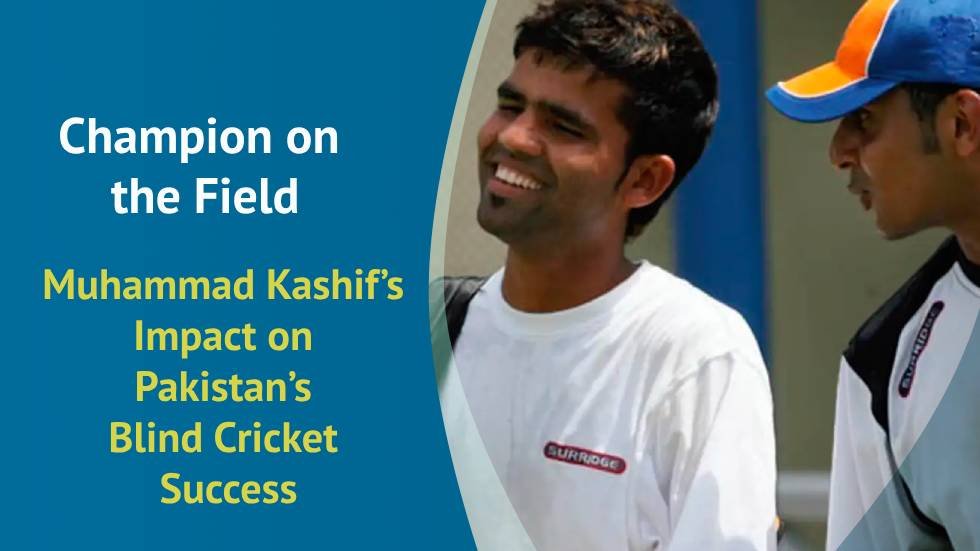
From a Love for Cricket to International Success, a Journey of Leadership, Resilience, and Determination
Muhammad Kashif's journey is a powerful example of how passion, determination, and opportunity can help a visually impaired athlete reach the highest levels of competitive sport. For Kashif, cricket was more than a game. It became a pathway to confidence, leadership, teamwork, and international achievement. His journey through blind cricket demonstrates what can happen when talented athletes with visual impairments receive the opportunity to develop their abilities. His story also highlights an important issue: many visually impaired children have talent and ambition, but they may lack access to sports training, equipment, coaching, and competitive opportunities. You can help create these opportunities for visually impaired girls. Donate to Battle For Blindness Foundation and support programs that provide sports training, education, assistive technology, and skills development.
Who Is Muhammad Kashif?
Muhammad Kashif is a Pakistani visually impaired cricketer who has played an important role in Pakistan's blind cricket journey. His passion for cricket developed at a young age. Although visual impairment created challenges, his interest in the sport remained strong. The development of blind cricket provided Kashif with a way to continue pursuing the game he loved. Through training, competition, and perseverance, he developed into a skilled player and leader. His story demonstrates why access to adapted sports can be so important for people with visual impairments.
Discovering Blind Cricket
Blind cricket is an adapted form of cricket designed to allow athletes with visual impairments to compete. One of its most distinctive features is the use of a ball that produces a rattling sound. This allows players to track the ball through hearing. Players are also grouped into different classifications based on their level of vision. The commonly used categories include:
- B1: Players with the most significant level of visual impairment
- B2: Players with a higher level of remaining vision than B1 players
- B3: Players with comparatively greater usable vision within the blind cricket classification system
Blind cricket requires players to develop excellent listening skills, coordination, concentration, timing, and teamwork.
For Kashif, learning to play within this adapted format provided an opportunity to transform his passion for cricket into competitive sporting ability.
Developing as a Cricketer
Becoming a successful cricketer requires much more than natural talent. Players must spend years improving their technique, understanding the game, building physical fitness, and learning how to perform under pressure. Kashif developed his abilities through consistent training and competitive experience. His strengths as a player include:
- Batting ability
- Fielding skills
- Leadership
- Adaptability
- Tactical understanding
- Teamwork
- Concentration
These qualities helped him become an important part of Pakistan's blind cricket team.
The Unique Challenges of Blind Cricket
Blind cricket requires players to adapt many aspects of conventional cricket. Instead of relying primarily on sight, visually impaired players use sound, communication, touch, and spatial awareness. The rattling ball helps players identify its movement. Players must listen carefully while also responding quickly to what is happening on the field. Some important skills include:
- Tracking the sound of the ball
- Judging timing through auditory cues
- Communicating with teammates
- Understanding field positions
- Maintaining concentration
- Adapting conventional cricket techniques
- Making decisions quickly
This makes blind cricket both physically and mentally demanding.
Kashif's journey demonstrates the importance of adaptability and persistence in overcoming these challenges.
Becoming a Leader on the Field
Leadership is one of the qualities that distinguishes an experienced athlete. A leader must understand the game while also helping teammates remain focused. For blind cricket players, communication is particularly important. Players need to share information about field positions, ball movement, strategy, and match situations. Kashif's leadership qualities helped him become an influential figure within Pakistan's blind cricket setup. His story shows that sporting success is not only about individual performance. It is also about helping a team work together toward a shared objective.
Pakistan's Success in Blind Cricket
Pakistan has developed a strong reputation in international blind cricket. According to the original Battle For Blindness Foundation article, Kashif played an important role in Pakistan's success in major international competitions, including the World Blind Cricket Championships and the Blind T20 World Cup. These competitions provide an important platform for visually impaired athletes to demonstrate their skills on an international stage. For Kashif, contributing to Pakistan's performances represented the result of years of preparation and dedication. His achievements also helped raise awareness about the abilities of visually impaired athletes.
The Importance of International Competition
International competitions provide athletes with an opportunity to test themselves against the best players from different countries. They also expose athletes to different playing styles, strategies, and competitive environments. For visually impaired athletes, international competition can provide something even more valuable: visibility. Success on an international stage can challenge misconceptions about disability and demonstrate what athletes can achieve when they receive appropriate opportunities. Kashif's career illustrates the importance of giving visually impaired athletes access to competitive pathways.
Overcoming Social and Resource Barriers
Talent alone does not guarantee sporting success. Visually impaired athletes can face challenges related to access, funding, training facilities, equipment, transportation, and recognition. Blind cricket can also receive less mainstream attention than conventional cricket. This can make it harder for athletes to receive sponsorship, media coverage, and financial support. Kashif's journey demonstrates why investment in para sports matters. When athletes receive access to appropriate resources and coaching, they have a greater opportunity to develop their abilities. Your contribution can help create more opportunities for visually impaired children and young women. Donate to Battle For Blindness Foundation and help support sports, education, technology, and personal development.
How Cricket Can Empower Visually Impaired Children
Sport can have an important role in a child's development. For visually impaired children, cricket and other adapted sports can provide opportunities to develop:
- Confidence
- Physical fitness
- Communication skills
- Teamwork
- Discipline
- Leadership
- Decision-making
- Resilience
- Independence
These skills can remain valuable long after a competition ends.
A child who learns how to communicate effectively with teammates may become more confident in school.
A young athlete who learns to respond to setbacks can develop greater resilience in everyday life.
Sports can therefore become an important part of broader personal development.
Why Sports Opportunities Matter for Visually Impaired Girls
Not every visually impaired girl has the opportunity to participate in sports. Barriers may include:
- Limited access to adapted sporting facilities
- Lack of specialized coaches
- Financial limitations
- Transportation challenges
- Limited access to sports equipment
- Social misconceptions about disability
- Limited awareness of available opportunities
When these barriers remain unresolved, talented girls may never discover their potential.
Providing access to sports training for visually impaired girls can help change that.
Supporting Sports Alongside Education
Sports are only one part of long-term empowerment. Visually impaired girls also need access to quality educational support. Education can provide the knowledge and skills necessary for higher education and future employment. Scholarship support can help students overcome financial barriers and continue their studies. When education and sports are supported together, girls can develop academic skills while also building confidence, discipline, and independence.
The Role of Assistive Technology
Technology can help visually impaired students access education and information more independently. Screen readers, accessible digital platforms, smartphones, and computers can support learning and communication. Assistive technology initiatives can help provide tools that make information more accessible. Similarly, laptop distribution programs can support online learning, research, communication, and digital skills. Technology can therefore complement both education and sports by helping young people participate more independently.
Preparing for Employment and Independence
Long-term empowerment also means preparing young women for employment. Employment support for visually impaired girls can help young women develop workplace skills and move toward greater economic independence. For students interested in government careers, government job examination preparation can help them prepare for competitive opportunities. For those who require structured support, a residential facility can provide an environment that supports education, development, and independence.
Battle For Blindness Foundation: Creating Opportunities
Muhammad Kashif's story shows what can happen when passion is supported by opportunity. Battle For Blindness Foundation works to create opportunities for visually impaired girls through sports training, education, assistive technology, scholarships, employment support, and practical initiatives. The foundation's mission and vision focus on creating meaningful opportunities and supporting visually impaired individuals toward greater independence. You can learn more about the foundation's story and team to understand the people and purpose behind its work. Its initiatives include walking cane distribution, Braille learning and writing, grocery support for the blind, and laptop distribution for blind students. The foundation also supports social participation through initiatives such as the matrimony initiative for blind individuals. You can explore additional campaigns and initiatives to understand the different ways the foundation supports people with visual impairments. These programs address both immediate needs and longer-term opportunities. Your donation can help support this work. Donate to Battle For Blindness Foundation and help visually impaired girls access sports, education, technology, and skills development.
Turning Inspiration Into Action
Muhammad Kashif's journey reminds us that disability does not have to determine the limits of a person's ambition. But inspiration needs opportunity. A visually impaired child may have a passion for cricket but need access to coaching. Another student may need assistive technology to continue learning. A young woman may need a scholarship or employment support. Different individuals have different needs. Supporting comprehensive programs can help create an environment where visually impaired girls can discover their strengths and work toward greater independence. If Muhammad Kashif's story inspires you, turn that inspiration into action. Donate today and help create opportunities for visually impaired girls to learn, train, and build confidence.
Why Every Opportunity Matters
One opportunity can change the direction of a person's life. A sports program can reveal an athlete. Educational support can help a student continue learning. A scholarship can make higher education more accessible. Assistive technology can improve access to information. Employment preparation can help a young woman work toward financial independence. These opportunities are connected. When communities invest in visually impaired girls, they help create an environment where potential can become confidence, skills, and achievement.
Conclusion
Muhammad Kashif's journey from a young cricket enthusiast to an accomplished Pakistani blind cricketer demonstrates the power of passion, determination, teamwork, and opportunity. His contribution to Pakistan's blind cricket success shows that visually impaired athletes can compete, lead, and achieve at an international level when they have the right support. His story also highlights the importance of making sports accessible to children with visual impairments. For visually impaired girls, access to sports can be the beginning of a much larger journey. Combined with education, assistive technology, scholarships, and employment support, these opportunities can help build confidence and prepare young women for more independent futures. Support the next generation of visually impaired girls. Donate to Battle For Blindness Foundation and help create opportunities in sports, education, technology, and skills development.
Frequently Asked Questions About Muhammad Kashif
1. Who is Muhammad Kashif?
Muhammad Kashif is a Pakistani visually impaired cricketer who has played an important role in Pakistan's blind cricket team and international success.
2. What is blind cricket?
Blind cricket is an adapted form of cricket designed for players with visual impairments. It uses modifications such as a sound-producing ball to help players track its movement.
3. How does the ball help blind cricketers?
The ball produces a rattling sound, allowing visually impaired players to identify its movement through hearing and respond accordingly.
4. What are the B1, B2, and B3 classifications in blind cricket?
B1, B2, and B3 are classifications used to group players according to their level of visual impairment, helping create an appropriate competitive structure.
5. What are Muhammad Kashif's strengths as a cricketer?
Kashif is recognized in the article for his batting, fielding, leadership, adaptability, tactical understanding, and teamwork.
6. Has Muhammad Kashif represented Pakistan internationally?
Yes. His career includes representation of Pakistan in international blind cricket competitions.
7. What major competitions has Pakistan's blind cricket team participated in?
The article highlights Pakistan's participation and success in major competitions including the World Blind Cricket Championships and the Blind T20 World Cup.
8. How can cricket benefit visually impaired children?
Cricket can help visually impaired children develop confidence, teamwork, communication, discipline, physical fitness, leadership, resilience, and decision-making skills.
9. How can I support visually impaired girls?
You can support visually impaired girls through donations, sports training, education, scholarships, assistive technology, employment support, volunteering, and awareness.
10. How can I donate to Battle For Blindness Foundation?
You can visit the Battle For Blindness Foundation donation page to contribute toward programs supporting visually impaired girls.
Support the Future of Visually Impaired Girls
Every visually impaired girl deserves the opportunity to discover her abilities, develop confidence, and work toward a more independent future. Muhammad Kashif's story demonstrates what passion, training, teamwork, and opportunity can make possible. His journey reminds us that visual impairment does not have to define the limits of someone's ambition. The next generation of visually impaired girls also deserves opportunities to explore sports, continue their education, access technology, and prepare for meaningful careers. Your support can help make those opportunities possible. Donate to Battle For Blindness Foundation and help turn potential into opportunity. Author name: Battle for Blind Foundation Last updated date: August 21, 2026 Real stories or case studies: Stories of Change
Support the Visually Impaired
People to make them Independent

Every little contribution you make will be a little flicker of light in the lives of visually impaired girls who dream of a brighter future.
Donate now

In case you have donated directly through UPI, Bank transfer, through cheque kindly WhatsApp your details on +91-8383933493

Every Contribution will be utilized with 100% transparency. The beneficiary photographs will be sent to you with an 80G Tax Benefit Certificate

Battle For Blindness Foundation committed to 93% go directly towards projects that directly benefit the Abandoned blind girls

