Chaz Davis’s Marathon Milestone: Pushing the Limits as a Visually Impaired Runner
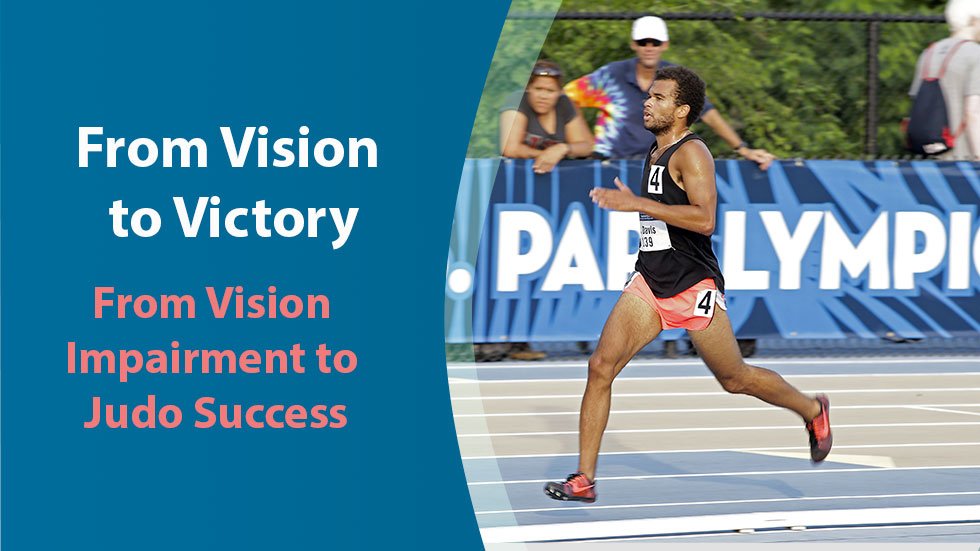
Chaz Davis: A Marathon Story That Goes Beyond the Finish Line
For many runners, completing a marathon is a major personal achievement. For Chaz Davis, long-distance running became something even more meaningful: a way to challenge expectations, demonstrate the abilities of visually impaired athletes, and inspire others to pursue their ambitions. Davis built an extraordinary career as a visually impaired long-distance runner after losing much of his vision during his teenage years because of Leber’s hereditary optic neuropathy. Rather than allowing vision loss to determine what he could or could not accomplish, he discovered a passion for running and developed the skills, discipline, and confidence needed to compete at a high level. His journey shows that athletic achievement is not defined only by physical ability. It can also depend on determination, preparation, trust, access to the right support, and the willingness to keep moving forward when circumstances become difficult. His story is particularly powerful because running independently is not the same experience for a visually impaired athlete. Training and competing over long distances can require close coordination with a guide runner, strong communication, careful pacing, and complete trust. These additional challenges make Davis’s achievements an important example of what inclusive sports can make possible.
Chaz Davis: A Marathon Story That Goes Beyond the Finish Line
Chaz Davis experienced significant vision loss during his teenage years. Adjusting to such a major change could have changed the direction of his life, but he did not allow vision impairment to become the final definition of his future. During high school, Davis developed an interest in long-distance running. With encouragement from his family and coaches, he learned how to adapt his running techniques and work alongside a guide. This support allowed him to continue developing his abilities while learning how to manage the unique demands of competitive running with limited vision. Over time, his commitment to training helped him progress from school-level competition to collegiate and higher-level racing. His journey demonstrates why access to sports, coaching, mobility support, and inclusive opportunities can be so important for people with visual disabilities. For visually impaired children and young adults, opportunities to participate in sports can provide much more than physical exercise. Sports can build confidence, independence, discipline, teamwork, and a stronger belief in what is possible. Supporting sports training for visually impaired girls is one way communities can help create these opportunities for the next generation.
The Road to the Boston Marathon
The Boston Marathon is widely recognized as one of the most prestigious marathon events in the world. Reaching the starting line requires years of preparation, endurance, consistency, and mental strength. For Chaz Davis, competing in the Boston Marathon represented another major stage in a journey that had already required him to overcome significant obstacles. Running a marathon as a visually impaired athlete involves challenges that many runners do not encounter, including navigating the course safely, maintaining pace, responding to changes in direction, and communicating effectively with a guide runner. Davis approached these challenges through disciplined preparation and determination. His training focused not only on developing physical endurance but also on building the mental resilience needed to maintain performance during a demanding long-distance race. In 2016, Davis completed the Boston Marathon in 2 hours, 31 minutes, and 48 seconds. According to the original account of his achievement, this performance made him the first blind runner to break the 2-hour-32-minute barrier at the event. The milestone highlighted the extraordinary level of endurance and preparation required to compete at an elite level while navigating the additional challenges associated with visual impairment. His achievement became more than a race result. It represented a powerful reminder that opportunity, preparation, and determination can help people challenge assumptions about disability. Support opportunities that help visually impaired people build greater independence. Donate Now to support initiatives that can provide education, training, assistive resources, and other forms of practical support.
What Makes Marathon Running Different for a Visually Impaired Athlete?
Marathon running demands physical endurance from every athlete, but visually impaired runners may also need to manage additional practical and communication challenges. A guide runner can play an important role by helping the athlete understand changes in direction, maintain positioning, manage the course, and respond to obstacles or other runners. This relationship requires trust and consistent communication between both athletes. Training also requires careful planning. A visually impaired runner may need an environment where routes can be navigated safely, appropriate guidance is available, and training conditions are adapted to individual needs. These considerations highlight a broader issue: talent alone is not always enough. People with visual impairments also need access to opportunities, equipment, education, training, technology, and supportive communities. Organizations working to improve the lives of visually impaired people can help remove some of these barriers. Through programs such as assistive technology initiatives, individuals can gain access to tools that support education, communication, mobility, and greater independence.
The Importance of Support Behind Every Achievement
Stories like Chaz Davis’s can sometimes make success appear to be the result of individual determination alone. In reality, meaningful achievements often develop through a combination of personal effort and a strong support system. Family members, coaches, guide runners, teachers, mentors, organizations, and communities can all contribute to creating an environment where visually impaired people can pursue their goals. This is an important lesson beyond athletics. A visually impaired student may need educational resources. A young person preparing for a career may need professional training or employment support. Someone navigating daily life may benefit from assistive technology or mobility equipment. Supporting these needs can help transform potential into opportunity. Battle for Blindness Foundation works to support visually impaired girls through initiatives focused on education, training, independence, and broader opportunities for a better future.
Training, Discipline, and Mental Strength
Reaching the highest levels of marathon running requires consistency. Athletes must dedicate countless hours to training, recovery, nutrition, pacing, and mental preparation. For a visually impaired runner, that preparation can involve additional considerations related to navigation, communication, and safety. Chaz Davis’s journey demonstrates the importance of staying committed to a goal even when the path toward it is different from that of other athletes. His progress was built over time rather than achieved through a single moment of success. Long-distance running can be physically exhausting. As the distance increases, fatigue can affect concentration, pace, and decision-making. For a visually impaired athlete running with a guide, communication becomes especially important. Both runners need to understand one another and work together throughout the race. This level of coordination requires trust. It also shows why inclusive sports programs need trained people, suitable facilities, and consistent opportunities for athletes with disabilities. For young people with visual impairments, access to sports can be an important part of developing confidence and independence. Programs that provide structured training can help participants discover abilities they may not have realized they possessed.
Breaking Barriers Through Sports
Chaz Davis’s marathon achievement is significant not only because of his finishing time but also because of what it represents for the wider visually impaired community. Disability is often discussed in terms of limitations. Stories of athletes such as Davis offer another perspective. They show that visual impairment does not eliminate ambition, competitiveness, discipline, or the ability to achieve demanding goals. This does not mean that visually impaired people do not face genuine barriers. They may encounter difficulties accessing education, employment, mobility services, technology, sports facilities, and social opportunities. The important lesson is that these barriers should not be treated as a reason to lower expectations. Instead, communities can work toward creating better access and stronger support systems. The same principle is reflected in initiatives that help visually impaired individuals gain practical skills and opportunities. From educational support and initiatives to employment support for visually impaired girls, meaningful assistance can help people move toward greater independence.
Why Inclusive Sports Opportunities Matter
Sports can have a lasting impact on the lives of people with visual impairments. Participation can encourage physical fitness while also developing communication, teamwork, confidence, discipline, and leadership. For children and young adults, these experiences can be especially valuable. A supportive sports environment can help them interact with others, learn new skills, and develop the confidence to take on challenges outside the sporting arena. However, inclusive sports opportunities are not equally available to everyone. Some families may struggle to afford equipment, transportation, coaching, or other expenses associated with regular participation. This is where community support can make a meaningful difference. Providing resources for visually impaired individuals is not simply about funding a single activity. It can contribute to a wider environment in which people have the opportunity to learn, compete, work, and live more independently. Your support can help create more opportunities for visually impaired people to learn, train, and become independent. Make a donation to Battle for Blindness Foundation and help turn support into meaningful opportunities.
The Role of Mobility and Assistive Support
For many visually impaired people, mobility is an essential part of independence. Being able to travel safely can affect access to education, employment, healthcare, sports, and social activities. A white cane, for example, can provide important support when navigating different environments. Similarly, accessible digital tools can help people read information, communicate, study, and perform everyday tasks. Battle for Blindness Foundation supports initiatives designed to address some of these practical needs. Programs such as walking cane distribution can help provide mobility assistance to visually impaired individuals. Other initiatives focus on education and learning. Access to Braille learning and writing resources can help visually impaired learners develop essential literacy skills. Technology can also open new possibilities. Screen-accessible computers, smartphones, and other digital tools can make education and communication more accessible. Support for assistive technology initiatives can therefore contribute to greater independence. These forms of assistance may seem different from marathon training, but they share an important connection: access creates opportunity.
From Athletic Inspiration to Everyday Independence
Chaz Davis’s story is inspiring because he did not simply overcome a personal challenge. His achievements helped challenge perceptions about what visually impaired athletes can accomplish. But not every person needs to run a marathon to demonstrate independence. For one person, success may mean attending school independently. For another, it may mean learning Braille, using assistive technology, securing employment, preparing for a government examination, or gaining the confidence to travel independently. Every achievement matters. That is why support for visually impaired people should extend beyond one area. Education, mobility, technology, sports, employment, scholarships, and daily living support can all play a role in helping individuals build better futures. Programs such as scholarship support can help students continue their education, while preparation for government jobs can support visually impaired candidates working toward career opportunities.
Creating More Stories of Possibility
Chaz Davis’s marathon milestone is one example of what can happen when determination meets opportunity. There are many other visually impaired individuals with ambitions, talents, and goals of their own. The challenge is making sure that lack of resources does not prevent those ambitions from becoming reality. Battle for Blindness Foundation works toward creating opportunities for visually impaired girls through initiatives that address education, sports, technology, employment, and independent living. Its residential facility is part of this broader approach, providing a supportive environment for beneficiaries who need access to education and other essential resources. The organization also runs different campaigns designed to address practical needs within the visually impaired community. These initiatives demonstrate that support can take many forms, depending on the individual needs of each beneficiary. A donation can help support the resources and opportunities that allow visually impaired individuals to move forward with confidence. Donate today and help create more opportunities for education, mobility, training, and independence.
What Chaz Davis’s Story Teaches Us
There are several lessons that can be drawn from Davis’s journey. First, a disability does not determine a person's ambitions. Visual impairment may change how a person approaches a goal, but it does not automatically eliminate the goal itself. Second, preparation matters. Exceptional achievements are usually built through consistent effort over a long period. Third, support matters. Guide runners, coaches, families, teachers, organizations, and communities can help create the conditions in which visually impaired people can succeed. Finally, representation matters. When visually impaired athletes achieve extraordinary results, they can challenge outdated assumptions and encourage others to participate. For organizations and communities, the lesson is equally important: instead of focusing only on what people cannot do, we should focus on removing the barriers that prevent them from demonstrating what they can do.
Turning Inspiration Into Action
An inspirational story can change the way we think, but meaningful support can help change someone's circumstances. The needs of visually impaired people extend across different stages of life. A child may need educational support. A student may require a scholarship or accessible learning materials. A young adult may need career preparation. Another individual may need mobility equipment or assistive technology. Support can therefore have a lasting impact when it is directed toward practical needs. People who want to contribute can explore the foundation's mission and vision, learn more about its story, and understand the work being carried out through its different initiatives. Transparency and trust are also important when supporting a charitable organization. Readers can explore the foundation's achievements and statistics, testimonials, and other information about its work. Chaz Davis showed what can happen when a visually impaired athlete is given the opportunity to pursue an ambitious goal. Supporting visually impaired people today can help create similar opportunities in education, sports, employment, and everyday life. If Chaz Davis’s journey inspires you, consider taking the next step by supporting someone who is working toward their own goal. Donate to Battle for Blindness Foundation and help provide opportunities that can lead to greater confidence and independence.
Beyond One Marathon
A marathon has a finish line, but the journey toward independence does not. For Chaz Davis, every mile represented preparation, resilience, and trust. His achievement at the Boston Marathon became a powerful example of how visually impaired athletes can compete at an extraordinary level when they have the determination and support needed to pursue their goals. His story should not be viewed only as an exceptional sporting achievement. It can also be seen as a reminder that society has a role to play in creating accessible opportunities. When visually impaired people receive access to education, technology, mobility resources, sports training, employment opportunities, and supportive communities, they can pursue goals that might otherwise remain out of reach. The goal is not simply to help someone cross a finish line. It is to help create a world in which visually impaired people have more opportunities to choose their own path and move toward their own definition of success. Chaz Davis ran farther than many people expected. His story reminds us that sometimes the most important barrier is not the distance ahead, but the belief that the distance cannot be crossed.
Conclusion: Every Journey Begins With an Opportunity
Chaz Davis’s marathon journey is a powerful example of determination, preparation, and resilience. His achievements as a visually impaired runner demonstrate that vision loss does not have to prevent a person from pursuing ambitious goals. His story also reminds us that individual determination becomes even more powerful when people have access to the right support. Guide runners, coaches, family members, training opportunities, assistive resources, education, and inclusive communities can all help visually impaired individuals move closer to their goals. For many people, the challenge is not a lack of ability. It is a lack of opportunity. By supporting initiatives for visually impaired people, we can help address some of the barriers that affect education, mobility, technology, sports, employment, and independent living. A contribution today can become part of someone's journey toward greater confidence and opportunity. If Chaz Davis's story has inspired you, consider turning that inspiration into action. Donate to Battle for Blindness Foundation and help support initiatives designed to empower visually impaired individuals. Whether the goal is completing a marathon, pursuing an education, finding employment, learning a new skill, or becoming more independent, every person deserves the opportunity to try.
Frequently Asked Questions About Chaz Davis and Visually Impaired Running
1. Who is Chaz Davis?
Chaz Davis is a visually impaired long-distance runner known for his achievements in marathon running. His journey has inspired many people by demonstrating how determination, preparation, and support can help athletes overcome significant challenges associated with vision loss.
2. Why did Chaz Davis lose his vision?
Chaz Davis experienced significant vision loss because of Leber’s hereditary optic neuropathy, a condition that affected his eyesight during his teenage years.
3. What is Chaz Davis known for in marathon running?
Chaz Davis is particularly recognized for his performance at the Boston Marathon. In 2016, he completed the race in 2:31:48, a significant achievement in visually impaired marathon running.
4. How can a visually impaired person run a marathon?
Visually impaired runners can compete with the support of trained guide runners. Depending on the athlete's level of vision and the race environment, the guide can help with navigation, changes in direction, pacing, obstacles, and communication during the event.
5. Why are guide runners important for visually impaired athletes?
Guide runners can provide essential support during training and competition. Running together requires communication, coordination, and trust, allowing the visually impaired athlete to focus on maintaining pace and performance while navigating the course safely.
6. Can visually impaired people participate in sports?
Yes. Visually impaired people participate in a wide range of sports, including running and other competitive and recreational activities. With appropriate training, accessibility measures, equipment, and support, sports can provide opportunities to develop fitness, confidence, teamwork, and independence. Battle for Blindness Foundation also works to create opportunities through sports training for visually impaired girls.
7. What challenges do visually impaired runners face?
Visually impaired runners may face challenges related to navigation, identifying obstacles, maintaining direction, communicating with a guide, accessing suitable training environments, and obtaining appropriate sporting opportunities. These challenges can be addressed through training, accessibility, technology, and community support.
8. How can people support visually impaired individuals?
People can support visually impaired individuals in several ways, including donating to charitable initiatives, volunteering, supporting education, providing mobility resources, promoting accessible technology, and helping create opportunities for sports and employment. You can learn more about Battle for Blindness Foundation's work through its initiatives and campaigns.
9. How can a donation help visually impaired people?
A donation can help support practical initiatives that address different needs within the visually impaired community. Depending on the program, contributions can support education, assistive technology, mobility resources, scholarships, sports training, employment support, and other opportunities that encourage greater independence. Make a donation to support the foundation's work with visually impaired individuals.
10. Where can I learn more about real stories of visually impaired people?
You can explore Real stories or case studies to learn about people whose lives have been impacted by support and opportunities for visually impaired communities.
Support a More Inclusive Future
Chaz Davis's marathon milestone is a reminder that achievement should not be measured by eyesight alone. Talent, discipline, courage, preparation, and opportunity can help people overcome barriers and pursue extraordinary goals. But creating opportunities requires collective effort. When we support accessible education, sports training, assistive technology, mobility resources, scholarships, and employment opportunities, we help build an environment where visually impaired people can pursue their aspirations with greater confidence. Battle for Blindness Foundation is committed to supporting visually impaired girls through initiatives that focus on education, independence, sports, technology, employment, and other essential areas of development. You can learn more about the organization's work through its mission and vision and explore the different ways it supports visually impaired communities. Help turn inspiration into opportunity. Donate Now and become part of the journey toward a more inclusive and independent future for visually impaired people.
Support the Visually Impaired
People to make them Independent

Every little contribution you make will be a little flicker of light in the lives of visually impaired girls who dream of a brighter future.
Donate now

In case you have donated directly through UPI, Bank transfer, through cheque kindly WhatsApp your details on +91-8383933493

Every Contribution will be utilized with 100% transparency. The beneficiary photographs will be sent to you with an 80G Tax Benefit Certificate

Battle For Blindness Foundation committed to 93% go directly towards projects that directly benefit the Abandoned blind girls

