Anas Al Khalifa: The Refugee Paralympic Team’s Canoeing Champion
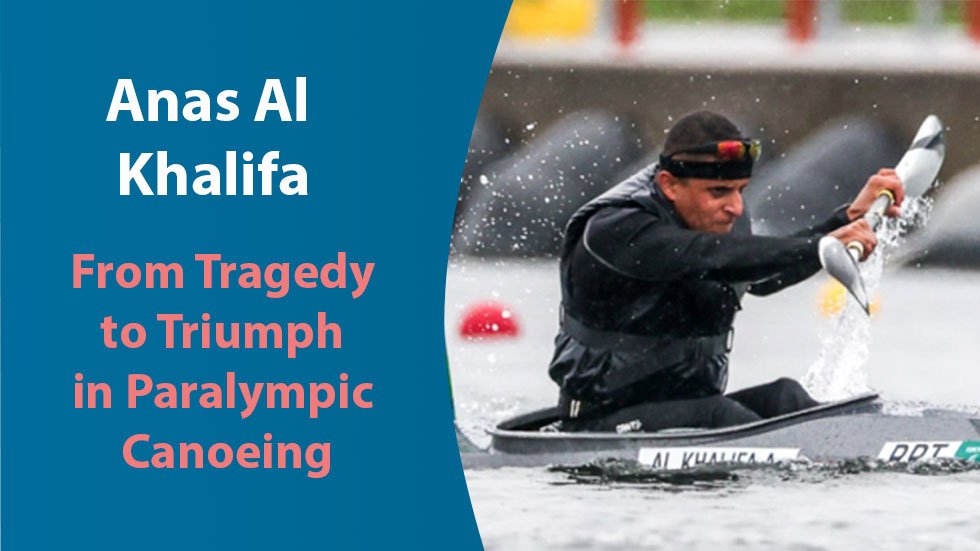
From Adversity to the Paralympic Stage, a Story of Courage, Resilience, and Hope
Anas Al Khalifa's journey is a powerful story of resilience, determination, and the ability to rebuild a life after adversity. A Syrian athlete who became part of the Refugee Paralympic Team, Al Khalifa transformed a life-changing experience into an opportunity to compete at the highest level of para sport. His journey is particularly inspiring because it demonstrates how sport can provide more than physical activity. For people living with disabilities, sport can become a pathway toward confidence, independence, community, and a renewed sense of purpose. His experience also carries a broader message for visually impaired children and young people. With access to training, education, technology, and encouragement, people with visual impairments can discover abilities that may otherwise remain unexplored. You can help create similar opportunities for visually impaired girls. Donate to Battle For Blindness Foundation and support programs that promote sports, education, assistive technology, and independence.
Who Is Anas Al Khalifa?
Anas Al Khalifa is a Syrian para-athlete who represented the Refugee Paralympic Team in canoeing. His sporting journey developed after a serious work accident resulted in visual impairment. The experience changed his life, but it did not end his ambitions. Instead, Al Khalifa began searching for new ways to rebuild his confidence and create a meaningful future. Sport became an important part of that process. His journey eventually led him to para canoeing and, through dedication and intensive preparation, to the international stage.
A Life-Changing Turning Point
Acquiring a disability can bring significant physical, emotional, and practical challenges. For many people, adapting to a new reality requires time, support, and access to new opportunities. For Al Khalifa, sport became one of the ways he could move forward. Rather than allowing his circumstances to define his future, he began developing new skills and exploring the possibilities available through para sports. This transition required courage. It also demonstrates the importance of having accessible sporting opportunities available to people after acquiring a disability. Without an opportunity to participate, many potential athletes may never discover what they are capable of achieving.
Discovering Canoeing
Canoeing became an important part of Al Khalifa's sporting journey. Para canoeing requires physical strength, balance, coordination, endurance, and mental focus. Athletes must maintain control of their boats while responding to changing conditions and maintaining an efficient paddling technique. For an athlete with visual impairment, training can require additional adaptation. Sound, body awareness, coaching instructions, and familiarity with the environment become particularly important. Al Khalifa's development in canoeing demonstrates how athletes can adapt to new circumstances and build expertise through consistent practice.
Training for the International Stage
Reaching international competition requires years of preparation. Athletes must develop their physical conditioning while also refining technique, improving endurance, and learning how to perform under competitive pressure. For Al Khalifa, the journey toward elite competition required determination and consistency. Training was not simply about becoming physically stronger. It also involved developing confidence, understanding the sport, learning how to adapt, and preparing mentally for international competition. This combination of physical and mental preparation helped him progress toward the Paralympic stage.
Joining the Refugee Paralympic Team
One of the defining moments of Al Khalifa's career was his selection for the Refugee Paralympic Team. The team provides a platform for elite para-athletes who have been displaced from their countries to compete internationally. Representing the Refugee Paralympic Team carries a meaning that extends beyond sport. Athletes represent not only themselves but also the millions of people around the world who have experienced displacement and adversity. For Al Khalifa, reaching the Paralympic stage demonstrated how sport can provide a sense of identity, purpose, and belonging even after profound life changes.
The Tokyo 2020 Paralympic Journey
Al Khalifa competed for the Refugee Paralympic Team at the Tokyo 2020 Paralympic Games. The opportunity represented an extraordinary achievement. The Paralympic Games bring together elite athletes from around the world, making participation a significant milestone for any para-athlete. For a refugee athlete who had experienced a major life-changing injury, reaching Tokyo represented years of determination and preparation. His participation also helped draw attention to the potential of refugee athletes with disabilities.
More Than an Athletic Achievement
Al Khalifa's journey cannot be measured only by competition results. His presence on the international stage carried a wider message about inclusion and resilience. He demonstrated that an athlete can overcome circumstances that might initially appear overwhelming and continue pursuing ambitious goals. His story can inspire people who are living with disabilities, displacement, or other difficult circumstances. It also highlights the importance of creating inclusive environments where people can participate rather than being defined by their limitations.
The Challenges Faced by Para-Athletes
Para-athletes can face challenges that extend beyond training and competition. These may include limited access to:
- Specialized coaching
- Accessible sports facilities
- Adaptive equipment
- Transportation
- Financial resources
- International competition opportunities
- Public awareness
Athletes who are refugees may face additional challenges associated with displacement and limited access to stable sporting systems.
These barriers make stories such as Al Khalifa's even more meaningful.
They show why investment in inclusive sport is essential.
How Sport Can Transform Lives
Sport can play a powerful role in rehabilitation and personal development. For people who acquire a disability, participating in physical activity can help rebuild confidence and establish new routines. Sport can also provide opportunities to:
- Improve physical fitness
- Build confidence
- Develop discipline
- Meet other people
- Develop communication skills
- Set personal goals
- Develop resilience
- Build independence
For young people with visual impairments, sports can become an important part of discovering their strengths.
Why Sports Matter for Visually Impaired Girls
Stories of successful para-athletes demonstrate what can happen when people receive access to opportunities. Visually impaired girls deserve the same chance to explore sports and discover their potential. Participation can help young girls develop confidence and skills that benefit them both on and off the field. Sports can encourage:
- Self-confidence
- Physical fitness
- Teamwork
- Leadership
- Communication
- Goal-setting
- Resilience
- Independence
Access to sports training for visually impaired girls can therefore become an important investment in their future.
Your support can help make these opportunities possible. Donate to Battle For Blindness Foundation and help visually impaired girls access sports, training, and personal development opportunities.
Education and Sport: Building a Stronger Future
Sport alone cannot address every challenge faced by visually impaired girls. Education is equally important. Access to educational support can help students continue their studies and develop the knowledge they need for future opportunities. Financial support can also make a significant difference. Scholarship support can help reduce financial barriers for students pursuing further education. When education and sports are developed together, young women can build physical confidence while also strengthening their academic foundation.
Assistive Technology and Greater Independence
Technology can help visually impaired people access information and participate more independently. Screen readers, smartphones, computers, accessible software, and digital learning tools can support education and communication. Assistive technology initiatives can help provide tools that make information more accessible. Similarly, laptop distribution for blind students can help students participate in digital education, research, and online learning. Technology can therefore be an important part of a broader strategy for independence.
Preparing Visually Impaired Girls for Employment
Long-term empowerment also requires access to employment opportunities. Employment support for visually impaired girls can help young women develop professional skills and prepare for the workplace. Students interested in public-sector careers may also benefit from government job examination preparation. For individuals who need structured support, a residential facility can provide an environment where education, personal development, and independence can be encouraged.
Battle For Blindness Foundation: Creating Opportunities
Anas Al Khalifa's journey demonstrates the importance of opportunity. Battle For Blindness Foundation works to create meaningful opportunities for visually impaired girls through education, sports training, assistive technology, scholarships, employment support, and practical initiatives. The foundation's mission and vision focus on supporting visually impaired individuals and helping create pathways toward greater independence. You can learn more about the foundation through its story and team, which provide further context about its work and people. Its work includes walking cane distribution, Braille learning and writing initiatives, grocery support for blind individuals, and laptop distribution. The organization also promotes social inclusion through initiatives such as the matrimony initiative for blind individuals. You can explore more campaigns and initiatives to understand the different ways the foundation works to support people with visual impairments. The foundation also shares statistics and achievements to provide insight into its work and progress. You can also read testimonials and view the organization's gallery to learn more about its activities and the people it supports. Your contribution can help support this work. Donate to Battle For Blindness Foundation and help create opportunities in sports, education, technology, and skills development.
Turning Adversity Into Inspiration
Anas Al Khalifa's story shows that a life-changing event does not have to end a person's ambitions. His journey from experiencing visual impairment to competing at the Paralympic Games demonstrates the importance of resilience. But resilience should not be expected to develop in isolation. People need access to supportive communities, appropriate training, resources, and opportunities. This is especially important for children and young people. A visually impaired girl with athletic potential needs a place to train. A student may need a scholarship or assistive technology. A young woman preparing for employment may need professional support. Each opportunity can contribute to a more independent future.
The Wider Impact of Para Sports
Para sports can influence society far beyond the competition arena. Successful athletes challenge stereotypes about disability. They show audiences that people with disabilities can be competitors, leaders, professionals, and role models. Athletes also help younger generations see possibilities for themselves. When a visually impaired child watches a para-athlete compete internationally, it can change their perception of what they can achieve. This is why representation matters. It gives people examples of achievement and encourages them to imagine their own possibilities.
Why Every Opportunity Matters
One opportunity can become a turning point. A sports program can reveal an athlete. Educational support can help a student continue learning. A scholarship can make further education more accessible. Assistive technology can open access to digital information. Employment preparation can help a young woman move toward financial independence. These opportunities are connected. Supporting one area can strengthen another. When communities invest in visually impaired girls, they help create an environment where potential can develop into confidence, skills, and achievement.
Turning Inspiration Into Action
Anas Al Khalifa's story is inspiring because it demonstrates what can happen when determination meets opportunity. But inspiration should also encourage action. If we want more visually impaired children and young women to reach their potential, they need access to real opportunities today. They need sports programs. They need education. They need technology. They need skills. They need people willing to support their ambitions. If Anas Al Khalifa's journey inspires you, turn that inspiration into meaningful support. Donate today and help create opportunities for visually impaired girls to learn, train, and build independent futures.
Conclusion
Anas Al Khalifa's journey from a life-changing work accident to becoming a member of the Refugee Paralympic Team is a remarkable story of resilience, courage, and determination. His journey into para canoeing and participation at the Tokyo 2020 Paralympic Games demonstrate how sport can provide a new sense of purpose after adversity. His story also carries an important message about inclusion. Refugees and people with disabilities deserve opportunities to participate, compete, learn, and build meaningful futures. For visually impaired girls, access to sports can be the beginning of a much larger journey. Combined with education, assistive technology, scholarships, and employment support, these opportunities can help young women build confidence and move toward greater independence. Support the next generation of visually impaired girls. Donate to Battle For Blindness Foundation and help turn potential into opportunity.
Frequently Asked Questions About Anas Al Khalifa
1. Who is Anas Al Khalifa?
Anas Al Khalifa is a Syrian para-athlete who represented the Refugee Paralympic Team in canoeing.
2. What happened to Anas Al Khalifa?
According to the original article, Al Khalifa experienced visual impairment following a serious work accident, after which he began rebuilding his life through sport.
3. What sport does Anas Al Khalifa compete in?
Anas Al Khalifa competes in para canoeing, a demanding sport requiring strength, coordination, endurance, balance, and concentration.
4. What is the Refugee Paralympic Team?
The Refugee Paralympic Team provides elite para-athletes who have been displaced from their countries with an opportunity to compete internationally.
5. Did Anas Al Khalifa compete at the Paralympic Games?
Yes. He represented the Refugee Paralympic Team at the Tokyo 2020 Paralympic Games.
6. How did sport help Anas Al Khalifa?
Sport provided Al Khalifa with an opportunity to rebuild confidence, develop new skills, pursue competitive goals, and create a renewed sense of purpose after acquiring a disability.
7. Why are para-athletes important role models?
Para-athletes can challenge misconceptions about disability and demonstrate that people with disabilities can achieve ambitious goals through opportunity, training, and determination.
8. How can sports benefit visually impaired girls?
Sports can help visually impaired girls develop confidence, physical fitness, discipline, teamwork, communication, leadership, resilience, and independence.
9. How can I support visually impaired girls?
You can support visually impaired girls through donations, sports training, education, scholarships, assistive technology, employment support, volunteering, and awareness.
10. How can I donate to Battle For Blindness Foundation?
You can visit the Battle For Blindness Foundation donation page to contribute toward initiatives supporting visually impaired girls.
Support the Future of Visually Impaired Girls
Every visually impaired girl deserves the opportunity to discover her abilities, develop confidence, and work toward a more independent future. Anas Al Khalifa's story demonstrates what determination, support, and opportunity can make possible. The next generation of visually impaired girls also deserves opportunities to explore sports, continue their education, access technology, and prepare for meaningful careers. Your support can help make those opportunities possible. Donate to Battle For Blindness Foundation and help turn potential into opportunity.
Explore More From Battle For Blindness Foundation
Discover more stories and resources about visual impairment, para sports, education, and empowerment. If you would like to learn more about the foundation or discuss ways to support its work, visit the contact page. Real stories or case studies: Stories of Change
Support the Visually Impaired
People to make them Independent

Every little contribution you make will be a little flicker of light in the lives of visually impaired girls who dream of a brighter future.
Donate now

In case you have donated directly through UPI, Bank transfer, through cheque kindly WhatsApp your details on +91-8383933493

Every Contribution will be utilized with 100% transparency. The beneficiary photographs will be sent to you with an 80G Tax Benefit Certificate

Battle For Blindness Foundation committed to 93% go directly towards projects that directly benefit the Abandoned blind girls

