Trischa Zorn: A Paralympic Swimming Icon with 41 Gold Medals
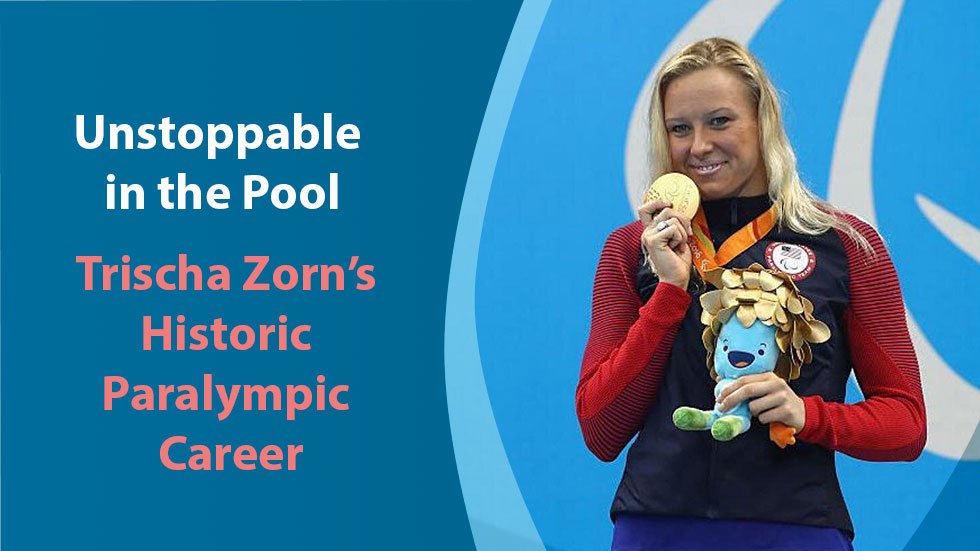
Trischa Zorn's Journey From Champion to Role Model
Trischa Zorn's Paralympic career established her as one of the most successful swimmers in the history of international sport. However, her influence extends far beyond her remarkable collection of medals. Her journey demonstrates what can happen when a visually impaired athlete receives opportunities to train, compete, and develop their abilities over time. For young people with visual impairments, Zorn's story offers an important message: blindness does not have to determine the limits of ambition. With appropriate support, accessible environments, specialised training, and encouragement, visually impaired children can discover interests and abilities that may shape their futures.
The Training and Discipline Behind Her Success
Winning one Paralympic gold medal is an extraordinary achievement. Winning 41 requires a level of consistency and dedication that is difficult to comprehend. Zorn competed at seven Paralympic Games over a career spanning more than two decades. Maintaining elite performance for such a long period required continuous preparation and a strong commitment to swimming. Her training would have required attention to several areas, including:
- Swimming technique
- Strength and conditioning
- Endurance
- Race preparation
- Recovery
- Mental focus
- Competition strategy
- Long-term physical development
Her achievements show that extraordinary results are usually built through thousands of smaller efforts repeated consistently over time.
How Blind Swimmers Adapt to Competition
Competitive swimming relies heavily on timing, technique, body position, and awareness of the pool environment. For a blind swimmer, some visual information that sighted athletes naturally use may not be available. This can require different training methods and a high level of familiarity with the competition environment. Blind swimmers can develop strategies that allow them to perform effectively while relying on their other senses, established routines, coaching instructions, and physical awareness. Training can help athletes understand the length of the pool, maintain their stroke rhythm, and prepare for turns and finishes. The adaptations may vary depending on the swimmer's level of vision and individual requirements.
The Role of Coaching in Para Swimming
Coaching plays an important role in helping visually impaired swimmers develop their abilities. A coach may need to communicate information differently when an athlete cannot rely on visual demonstrations. Effective coaching can involve:
- Detailed verbal instructions
- Consistent terminology
- Step-by-step explanations
- Auditory cues
- Physical orientation where appropriate
- Individual performance feedback
- Familiar training routines
Good coaching does not mean lowering expectations. Instead, it means providing information in ways that allow an athlete to understand, practise, and improve.
This principle is equally important when working with visually impaired children.
Why Accessible Swimming Matters for Children
Swimming can be an excellent activity for children with visual impairments when appropriate safety measures and support are available. Regular participation can help children develop:
- Physical strength
- Coordination
- Endurance
- Body awareness
- Confidence
- Discipline
- Social skills
- Goal-setting abilities
Swimming can also introduce children to a structured environment where they learn to follow instructions, work with coaches, and interact with other participants.
For some children, the experience may become the beginning of a lifelong interest in physical activity or competitive sport.
Creating a Safe Swimming Environment for Visually Impaired Children
Safety is essential when introducing visually impaired children to swimming. Before participating, children may benefit from becoming familiar with the pool area, changing facilities, entry and exit points, and the overall training routine. Swimming organisations can improve accessibility by providing:
- Trained instructors
- Clear verbal instructions
- Consistent pool routines
- Appropriate supervision
- Accessible changing facilities
- Safe orientation to the pool environment
- Individualised support
The exact support should depend on the child's age, swimming ability, level of vision, and individual needs.
From Participation to Competitive Sport
Not every child who learns to swim will become a competitive athlete, and that is perfectly fine. The first objective should be participation. A child may begin by learning basic swimming skills. With time, they may become more confident and decide to train regularly. Some may eventually discover an interest in competition. This gradual progression allows children to explore their abilities without unnecessary pressure. Trischa Zorn's career reminds us that extraordinary achievements can begin with a simple opportunity to participate.
The Importance of Family Encouragement
Family support can have a significant influence on a visually impaired child's development. Parents and caregivers can encourage children to explore activities instead of assuming that vision loss makes certain activities impossible. They can also work with schools, coaches, rehabilitation professionals, and organisations to identify suitable opportunities. Encouragement does not mean expecting every child to become a champion. It means helping children understand that they are capable of learning, trying, improving, and making choices about their own interests.
Building Confidence Through Achievement
Confidence often develops through experience. A child who learns a new swimming technique may feel more confident about trying another skill. A child who completes a training session may become more comfortable participating in a group. A child who enters a competition may learn how to manage pressure, excitement, success, and disappointment. These experiences can contribute to personal development outside the sports environment. Confidence gained through sport can influence a child's willingness to participate in education, social activities, and other community programmes.
Help a Visually Impaired Child Discover the Power of Sport
Trischa Zorn's extraordinary career began with access to sport and the opportunity to develop her talent. Many visually impaired children today may have interests and abilities that remain undiscovered because they lack access to suitable training, equipment, transportation, or specialised programmes. Battle for Blind Foundation works to create opportunities for visually impaired children through sports training, education, rehabilitation, assistive technology, mobility support, and independent living programmes. Your donation can help provide children with opportunities to participate, learn new skills, build confidence, and work toward greater independence. 👉 Donate Today and Help a Visually Impaired Child Discover Their Potential
The Connection Between Sports and Education
Sports should be considered part of a broader approach to child development rather than an isolated activity. Education helps children develop academic knowledge and prepare for future careers. Sports can complement that development by strengthening physical fitness, teamwork, communication, discipline, and confidence. For visually impaired children, additional support may be required to make education and daily activities accessible. This can include:
- Braille learning materials
- Screen readers
- Accessible digital resources
- Assistive devices
- Orientation and mobility training
- Independent living skills
- Specialised educational support
When these areas are addressed together, children can develop a stronger foundation for education, personal growth, and future independence.
Assistive Technology for Visually Impaired Children
Technology has become an important part of accessible education and independent living. Depending on individual needs, visually impaired children may benefit from tools such as screen readers, Braille displays, accessible smartphones, voice-controlled applications, magnification software, and audio-based learning resources. These technologies can help children access information, complete educational tasks, communicate with others, and use digital services. However, providing technology is only one part of the solution. Children may also need training and ongoing support to learn how to use assistive tools effectively.
Mobility and Independent Living Skills
Independence involves more than education and sport. Visually impaired children may also need to learn how to navigate their surroundings, organise personal belongings, communicate their needs, and complete everyday activities with greater confidence. Orientation and mobility training can help children develop techniques for moving safely through familiar and unfamiliar environments. Independent living training can support skills such as:
- Personal organisation
- Safe movement
- Household tasks
- Using technology
- Managing daily routines
- Communication
- Problem-solving
These skills can become increasingly important as children grow into young adults.
Why Inclusive Opportunities Matter
Inclusion means more than allowing someone to enter a programme. A genuinely inclusive programme considers what a participant needs to take part meaningfully. For a visually impaired child, this could mean accessible information, trained staff, appropriate equipment, transportation, or additional instruction. When accessibility is considered from the beginning, children can participate with greater confidence and dignity.
Trischa Zorn as a Role Model
Zorn's career provides an important example for young people with visual impairments. Her 41 Paralympic gold medals are an extraordinary achievement, but her broader message is equally important. Her career demonstrates that a person who is blind can compete internationally, develop expertise, remain committed to a demanding discipline, and achieve goals at the highest level. Young people do not need to copy Zorn's exact path. Instead, her story can encourage them to identify their own interests and ask what they might achieve with the right opportunities and support.
Changing Perceptions Through Paralympic Sport
Elite Paralympic athletes have an important role in challenging stereotypes surrounding disability. When audiences see blind athletes competing at an international level, they are reminded that disability does not eliminate physical ability, ambition, intelligence, or determination. Zorn's long and successful career contributed to greater visibility for blind athletes and helped demonstrate the value of competitive opportunities for people with disabilities. Her legacy continues to be relevant as communities work toward more inclusive education, employment, sport, and public life.
Trischa Zorn's Legacy Beyond the Swimming Pool
Trischa Zorn's extraordinary medal record made her a landmark figure in Paralympic history, but her influence goes far beyond the 41 gold medals she earned. Her career helped demonstrate the importance of providing athletes with disabilities the same opportunity to train, compete, improve, and pursue excellence. For visually impaired children, her story can serve as a reminder that a disability does not have to determine the boundaries of their future.
Why Role Models Matter for Visually Impaired Children
Children often develop confidence when they see people who have achieved something they once believed might be impossible. For a visually impaired child, learning about an athlete such as Trischa Zorn can provide a powerful example of what dedication and opportunity can make possible. Her story can encourage children to explore activities such as:
- Swimming
- Running
- Goalball
- Cricket
- Yoga
- Fitness
- Other adapted sports
The goal is not to expect every child to become a Paralympic champion.
The goal is to give children the freedom to discover what they enjoy and the support to develop their abilities.
Building Confidence Through Inclusive Sports
Inclusive sports can play an important role in building confidence among visually impaired children. When children learn a new physical skill, they experience progress through practice. That experience can influence how they approach other challenges. Sports can help children practise:
- Setting goals
- Following routines
- Communicating with others
- Accepting feedback
- Working as a team
- Managing setbacks
- Celebrating progress
- Taking responsibility
These skills can be useful in classrooms, social environments, and eventually in the workplace.
The Importance of Equal Access to Sports
Many visually impaired children want to participate in sports but face practical barriers. These barriers may include a lack of accessible facilities, specialised coaching, transportation, appropriate equipment, or financial resources. In some communities, families may also have limited information about available opportunities. Removing these barriers can help ensure that disability does not prevent children from participating in activities that can contribute to their physical and personal development.
Accessible Training Requires More Than Equipment
Accessibility is not limited to providing adapted equipment. A truly inclusive programme may require trained staff, accessible communication, safe facilities, transportation, and an understanding of the individual needs of participants. For visually impaired children, coaches may need to explain exercises verbally and provide clear information about the environment. Training environments should also be predictable enough for children to become familiar with them while still allowing them to develop confidence in adapting to new situations.
The Role of Coaches and Mentors
Coaches and mentors can have a lasting influence on visually impaired children. A supportive coach can help a child understand that their visual impairment does not mean they should automatically avoid physical activities. Coaches can encourage children to:
- Try new activities
- Set achievable goals
- Develop physical skills
- Communicate their needs
- Learn from mistakes
- Work with others
- Build confidence gradually
Mentorship can also help children see different possibilities for their future.
Supporting Visually Impaired Girls Through Sports
Providing sports opportunities for visually impaired girls can be particularly valuable. Girls with disabilities may experience barriers that affect their participation in education, sports, social activities, and community life. Inclusive sports can provide a supportive environment where girls can develop confidence and recognise their own capabilities. Participation can help strengthen:
- Self-confidence
- Physical fitness
- Communication
- Leadership
- Teamwork
- Independence
A girl who gains confidence through sports may become more willing to participate in other areas of life.
Help Create Sports Opportunities for Visually Impaired Girls
Trischa Zorn's story shows how a visually impaired athlete can reach extraordinary heights when talent is supported by opportunity and training. Many visually impaired girls still need access to sports programmes, education, assistive technology, rehabilitation, mobility training, and other essential support. Battle for Blind Foundation works to create opportunities for visually impaired children and girls through programmes focused on education, sports training, rehabilitation, assistive technology, mobility, and independent living. Your donation can help provide the resources that allow a child to participate, learn, develop confidence, and prepare for a more independent future. 👉 Donate Today and Help Empower a Visually Impaired Girl
Sports, Education, and Independence
A child's development cannot be measured through sport alone. Education, technology, mobility, healthcare, and independent living skills can be equally important in preparing visually impaired children for adulthood. Sports can complement these areas by helping children develop physical confidence, discipline, teamwork, and communication. Education can provide academic and career-related knowledge. Assistive technology can improve access to information. Mobility training can support independent travel. Independent living programmes can help children develop practical everyday skills. When these forms of support work together, children can have a stronger foundation for their future.
The Role of Assistive Technology in Education
Modern assistive technology can help visually impaired students access learning in ways that were previously difficult or impossible. Depending on individual needs, useful tools may include:
- Screen readers
- Braille displays
- Accessible smartphones
- Voice assistants
- Magnification tools
- Audio learning resources
- Accessible educational applications
Technology can help students read digital content, write, communicate, research information, and complete academic tasks.
However, children may require training to use these tools effectively.
Providing both technology and appropriate instruction can make assistive devices much more useful in everyday life.
Mobility Training and Everyday Independence
Independent mobility can significantly affect a visually impaired child's access to education, sports, social activities, and future employment. Orientation and mobility training can help children learn how to navigate different environments safely and confidently. These skills may include:
- Using mobility aids
- Understanding routes
- Recognising environmental information
- Following auditory and tactile cues
- Learning safe travel techniques
- Building confidence in unfamiliar surroundings
Developing these abilities can help children become more comfortable participating in activities outside their homes.
Why Donor Support Can Make a Difference
Inclusive programmes require resources to operate effectively. Sports initiatives may need coaches, equipment, facilities, transportation, and specialised training. Education programmes may require Braille materials, assistive technology, and accessible learning resources. Mobility and rehabilitation programmes may require trained professionals and appropriate equipment. For families with limited resources, meeting these additional needs can be difficult. Donations can help organisations provide programmes that reduce financial barriers and make essential opportunities more accessible.
From One Champion to Many Future Possibilities
Trischa Zorn's achievements show what one athlete can accomplish when ability is combined with opportunity, training, and determination. But her story also encourages us to think about the many children who have not yet had the chance to discover their own abilities. One child may have the potential to become an athlete. Another may have an interest in technology. Another may excel academically. Another may become a teacher, entrepreneur, artist, professional, or community leader. The important thing is to provide children with opportunities before making assumptions about their limitations.
Small Achievements Can Lead to Bigger Goals
Empowerment often begins with small steps. A visually impaired child learning to swim independently may develop confidence in the water. A child learning Braille may gain greater access to education. A child learning to use a screen reader may become more independent with technology. A child learning mobility skills may become more comfortable travelling outside the home. These achievements may seem small when compared with a Paralympic gold medal, but they can have a lasting impact on a child's development.
Creating Opportunities Instead of Limiting Potential
Children should have the opportunity to discover their abilities before society decides what they cannot do. For visually impaired children, this means creating accessible environments where they can participate in education, sports, technology, social activities, and community life. Trischa Zorn's career provides a powerful example of what can happen when opportunity is combined with determination. Her story reminds us that potential can remain hidden when opportunities are unavailable.
A Legacy That Continues to Inspire
Trischa Zorn retired from Paralympic competition after the 2004 Athens Games, completing a remarkable career that spanned seven Paralympic Games. Her record of 55 Paralympic medals, including 41 gold medals, remains one of the defining achievements in Paralympic history. But her lasting legacy is not simply a number. It is the message that athletes with disabilities deserve opportunities to compete, develop, and be recognised for their abilities. Her career can continue to inspire young visually impaired people to explore sport and other areas of life with confidence.
Building a More Inclusive Future
A more inclusive future requires more than celebrating successful athletes. It requires creating opportunities for children at the beginning of their journeys. That can mean providing accessible education, sports training, Braille resources, assistive technology, rehabilitation, mobility training, healthcare, and independent living support. When children receive these opportunities early, they can develop skills that support them throughout their lives.
Help Create the Next Generation of Success Stories
Trischa Zorn had the opportunity to discover her talent, develop her skills, and compete on the world's biggest sporting stage. There are many visually impaired children who are still waiting for their own opportunity. Battle for Blind Foundation is committed to supporting visually impaired children through education, sports training, rehabilitation, assistive technology, mobility support, healthcare, and independent living programmes. Your contribution can help provide opportunities that may shape a child's confidence, skills, and future. 👉 Donate Now and Help Give a Visually Impaired Child the Opportunity to Thrive
What Trischa Zorn's Journey Teaches Us
1. Opportunity Can Reveal Hidden Potential
Children cannot always know what they are capable of until they are given opportunities to try.
2. Disability Does Not Define a Person's Ambition
Vision loss may require adaptation, but it does not automatically determine what a person can achieve.
3. Long-Term Commitment Matters
Zorn's career demonstrates how consistency and dedication can produce extraordinary results over time.
4. Inclusion Requires Action
Creating an inclusive environment means providing practical support that allows people with disabilities to participate meaningfully.
5. Every Achievement Matters
A Paralympic gold medal is remarkable, but learning a new skill, gaining confidence, becoming more independent, or participating in a new activity can also be an important achievement.
Frequently Asked Questions About Trischa Zorn
1. Who is Trischa Zorn?
Trischa Zorn is an American Paralympic swimmer and one of the most decorated athletes in Paralympic history. She competed at seven Paralympic Games between 1980 and 2004 and won 55 Paralympic medals, including 41 gold medals.
2. What visual impairment does Trischa Zorn have?
Trischa Zorn was born with aniridia, a rare eye condition involving the absence or severe underdevelopment of the iris. Her condition resulted in significant visual impairment, and she competed as a blind athlete.
3. When did Trischa Zorn compete in her first Paralympic Games?
Zorn made her Paralympic debut at the 1980 Arnhem Paralympic Games in the Netherlands when she was 16 years old. She won seven gold medals in swimming at those Games.
4. How many Paralympic gold medals did Trischa Zorn win?
Trischa Zorn won 41 Paralympic gold medals during her career. She won a total of 55 Paralympic medals across seven Games.
5. How many Paralympic Games did Trischa Zorn compete in?
Trischa Zorn competed at seven Paralympic Games between 1980 and 2004. Her career spanned more than two decades of international competition.
6. What swimming events did Trischa Zorn compete in?
Zorn competed across several swimming disciplines and distances, including freestyle, backstroke, and individual medley events. Her versatility helped her achieve success across multiple competitions.
7. Why is Trischa Zorn considered an important Paralympic athlete?
Her record of 55 Paralympic medals, including 41 gold medals, made her one of the most successful athletes in Paralympic history. Her career also helped increase visibility for blind athletes and demonstrated the importance of inclusive sporting opportunities.
8. How can swimming benefit visually impaired children?
Accessible swimming can help visually impaired children develop physical fitness, coordination, confidence, discipline, body awareness, and social skills. It can also introduce children to structured training and, for some, competitive sport.
9. What support may visually impaired children need to participate in sports?
Depending on their individual needs, children may benefit from trained coaches, accessible facilities, adapted equipment, transportation, clear verbal instructions, rehabilitation support, and safe training environments.
10. How can I support visually impaired children through Battle for Blind Foundation?
You can support Battle for Blind Foundation through donations, volunteering, sponsorships, CSR partnerships, and other forms of assistance. Donations can help support programmes related to education, sports training, Braille literacy, rehabilitation, assistive technology, mobility, healthcare, and independent living.
Trischa Zorn's Lasting Legacy
Trischa Zorn's career is one of the most remarkable stories in Paralympic swimming. From her first Paralympic appearance as a teenager in 1980 to her final Games in 2004, she demonstrated extraordinary consistency, discipline, and commitment. Her 55 Paralympic medals and 41 gold medals represent an exceptional sporting achievement. However, the significance of her career goes beyond the numbers. Zorn became a powerful example of what visually impaired athletes can accomplish when they have access to training, competition, coaching, and opportunity. Her story can also encourage young people with visual impairments to think beyond assumptions about disability and explore their own interests.
From Inspiration to Opportunity
Celebrating successful Paralympic athletes is important, but creating opportunities for the next generation is equally important. A visually impaired child may have an interest in swimming but lack access to a suitable programme. Another child may need Braille learning resources to succeed in school. Someone else may require assistive technology, mobility training, or rehabilitation to become more independent. Every child has different needs, abilities, interests, and goals. The objective should be to provide appropriate support so that children can discover their strengths and make progress toward their own goals.
Help Empower a Visually Impaired Child
Battle for Blind Foundation works to create opportunities for visually impaired children through education, sports training, Braille literacy, rehabilitation, assistive technology, mobility support, healthcare, and independent living programmes. Your donation can help provide resources that allow visually impaired children to learn, participate, develop confidence, and prepare for a more independent future. Donate Today and Help Empower a Visually Impaired Child
Why Every Opportunity Matters
Trischa Zorn's story began with the opportunity to participate in sport. Her talent was developed through years of training and competition, eventually leading to an extraordinary international career. Not every child will become a Paralympic champion, and that should not be the expectation. Success can take many forms. For one child, it may mean learning to swim safely. For another, it may mean reading independently using Braille. Another child may become confident using assistive technology or travelling independently with mobility skills. These achievements can create a foundation for greater independence later in life.
Building a Future of Inclusion
A truly inclusive society gives people with disabilities opportunities to learn, participate, work, compete, and contribute. For visually impaired children, that journey can begin with access to education, sports, healthcare, assistive technology, rehabilitation, and mobility training. When these services are accessible, children can develop skills that support them throughout their education and into adulthood. Trischa Zorn's career reminds us what can happen when talent is given the opportunity to grow.
Support the Next Generation
There are many visually impaired children who have interests and abilities waiting to be discovered. They may need a sports coach, Braille materials, assistive technology, mobility training, rehabilitation, educational support, or simply an environment that believes in their potential. Your support can help create those opportunities. Donate Now and Help Create Opportunities for Visually Impaired Children
Help Build a More Independent Future
Trischa Zorn's journey shows that vision loss does not have to prevent a person from pursuing ambitious goals. Her achievements demonstrate the importance of opportunity, discipline, accessibility, and long-term support. For today's visually impaired children, the goal is not simply to create future champions. It is to create an environment where every child has the opportunity to discover their abilities and develop the skills they need for life. Whether that means learning Braille, participating in sports, using assistive technology, developing mobility skills, or preparing for future employment, every opportunity can contribute to a child's independence. Your support can help make those opportunities possible. Donate Now and Help Give a Visually Impaired Child a Brighter, More Independent Future
Support the Visually Impaired
People to make them Independent

Every little contribution you make will be a little flicker of light in the lives of visually impaired girls who dream of a brighter future.
Donate now

In case you have donated directly through UPI, Bank transfer, through cheque kindly WhatsApp your details on +91-8383933493

Every Contribution will be utilized with 100% transparency. The beneficiary photographs will be sent to you with an 80G Tax Benefit Certificate

Battle For Blindness Foundation committed to 93% go directly towards projects that directly benefit the Abandoned blind girls

