Low Vision vs. Blindness: What’s the Difference and Why It Matters
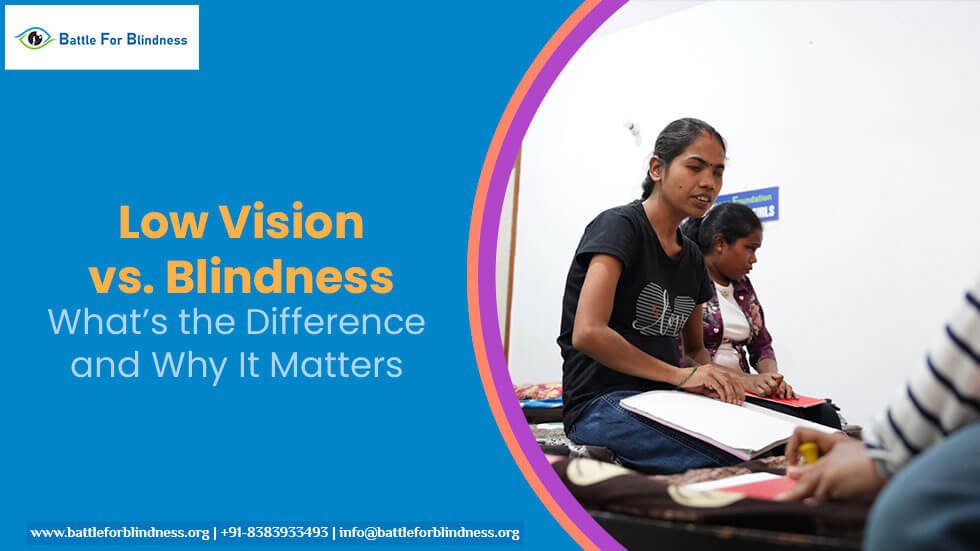
When it comes to visual impairment, understanding the difference between low vision and blindness is essential, not just for medical professionals, but for the general public as well. While both conditions affect an individual’s ability to see, they do so in different ways, and their implications for daily life and the required support systems differ significantly. In this blog, we will explore the distinctions between low vision and blindness, highlight the importance of recognizing each condition, and discuss why knowing the difference matters.
What is Low Vision?
Low vision is a term used to describe a condition where individuals have a significant reduction in vision that cannot be corrected with standard glasses, contact lenses, or medical treatments. This means that even with corrective measures, individuals with low vision may still struggle with tasks like reading, driving, or recognizing faces. However, they still retain some level of usable vision, which can be supported with magnification devices, specialized lighting, and adaptive technologies.
Key Characteristics of Low Vision:
- Blurry vision that cannot be corrected
- Difficulty with tasks requiring detailed sight, such as reading small print
- Reduced contrast sensitivity, making it difficult to distinguish objects from the background
- Central or peripheral vision loss, sometimes making objects appear blurry or distorted
- Visual impairments that make daily tasks challenging, such as using a smartphone, reading, or navigating environments
What is Blindness?
Blindness, on the other hand, refers to the complete or near-complete lack of vision. The term is typically used when someone has little or no vision, meaning they cannot perceive light or objects in their environment, even with the help of corrective lenses or treatments. For individuals who are considered legally blind, their vision may be as limited as 20/200 or worse in their better eye with correction. Blindness may result from a variety of factors, including trauma, genetic conditions, diseases like macular degeneration, and conditions such as diabetic retinopathy.
Key Characteristics of Blindness:
- Complete or near-total vision loss
- Inability to perceive light or see objects at all
- Legal blindness, with vision of 20/200 or worse in the better eye, even with correction
- A greater dependence on assistive technologies, such as braille, screen readers, and mobility aids like canes or guide dogs
Understanding the Differences Between Low Vision and Blindness
While both low vision and blindness fall under the umbrella of visual impairment, there are important distinctions that impact diagnosis, treatment, and the kinds of support systems required.
-
Severity of Vision Loss: The most notable difference is the level of vision loss. Low vision means some usable vision remains, whereas blindness represents either no usable vision or minimal residual sight.
-
Impact on Daily Life: Individuals with low vision may still be able to engage in many daily activities with proper assistance and adjustments, such as magnifying lenses, large-print materials, and high-contrast visual cues. On the other hand, individuals who are blind often require more extensive adaptations, such as audio-based devices, braille, and mobility aids.
-
Assistive Devices: People with low vision often benefit from visual aids, such as magnifiers, large print books, and special software that enlarges text on screens. People who are blind may rely on audio devices, screen readers, or braille devices to access information.
Why Knowing the Difference Matters
Understanding the distinction between low vision and blindness is vital for several reasons:
-
Proper Diagnosis and Support: Identifying whether an individual has low vision or is blind ensures they receive the correct resources and services. For example, a person with low vision may benefit from learning how to use magnification tools, while someone who is blind might need orientation and mobility training or braille literacy services.
-
Tailored Educational Approaches: In educational settings, knowing the degree of vision impairment helps in creating a personalized learning environment. Students with low vision may use large-print books, while blind students may rely on tactile learning methods and audio materials.
-
Improved Quality of Life: Understanding the level of vision impairment can directly influence the quality of life for individuals. Proper aids, support, and education can help those with low vision live independently, while individuals who are blind may need assistance navigating certain spaces, especially unfamiliar environments.
-
Increased Public Awareness: With a clearer understanding of the differences, society can better accommodate individuals with visual impairments. By promoting awareness about low vision and blindness, communities can ensure accessibility in public spaces, workplaces, and digital platforms.
Conclusion
In summary, while low vision and blindness both refer to significant visual impairments, they represent different levels of severity and require different approaches to treatment and support. Recognizing these distinctions is crucial for providing appropriate care and resources for individuals affected by visual impairments. By understanding the differences between low vision and blindness, society can better support people with these conditions, ensuring that everyone has the opportunity to lead an independent and fulfilling life. Whether it’s through specialized technologies or community support, the key is awareness, education, and compassion.
Support the Visually Impaired
People to make them Independent

Every little contribution you make will be a little flicker of light in the lives of visually impaired girls who dream of a brighter future.
Donate now

In case you have donated directly through UPI, Bank transfer, through cheque kindly WhatsApp your details on +91-8383933493

Every Contribution will be utilized with 100% transparency. The beneficiary photographs will be sent to you with an 80G Tax Benefit Certificate

Battle For Blindness Foundation committed to 93% go directly towards projects that directly benefit the Abandoned blind girls

