Empathy in Education: Understanding the Needs of Deaf-Blind Students
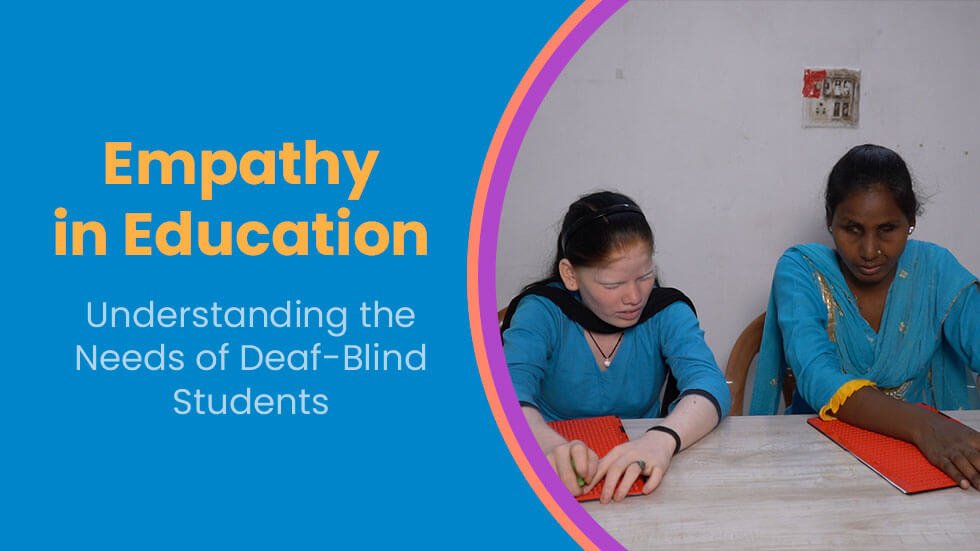
Education is a fundamental human right, yet for students with disabilities, accessing quality education can be a daunting challenge. Among these students, those who are both deaf and blind face unique obstacles that require a profound understanding of their needs. Empathy in education plays a crucial role in ensuring that deaf-blind students are not only included in classrooms but are also given the tools to thrive. This blog explores the importance of empathy in educating visually and hearing-impaired students, highlighting strategies for educators and caregivers to provide support and understanding.
The Silent Struggle of Deaf-Blind Students
Deaf-blindness, a condition where individuals have both hearing and vision impairments, varies greatly in its severity. For these students, traditional teaching methods may not be effective. They often rely on other senses—touch, smell, and sometimes residual hearing or sight—to understand their environment. The inability to see or hear can make communication, socialization, and learning especially challenging. However, with the right educational tools, resources, and, most importantly, empathy, deaf-blind students can lead independent, fulfilling lives.
Why Empathy Matters in Educating Deaf-Blind Students
Empathy in education isn’t just about understanding what students are going through—it’s about adapting teaching methods to meet their needs and ensuring they feel valued. For deaf-blind students, empathy involves recognizing their experiences and challenges and responding with patience, respect, and creativity. Without empathy, students may feel isolated, misunderstood, or even ignored in traditional learning environments. Educators must build a supportive, inclusive classroom where every student can experience success, regardless of their sensory impairments.
Effective Strategies for Supporting Deaf-Blind Students
-
Personalized Learning Approaches
Each student with deaf-blindness has a unique combination of abilities and challenges. Personalized learning involves understanding their specific needs, whether it’s through tactile sign language, Braille, or specialized technology. For instance, educators can use tactile tools like Braille books or devices that convert text to speech for students with residual hearing. -
Tactile Communication Methods
Since deaf-blind students cannot rely on sight or hearing to communicate, tactile methods such as tactile sign language and hand-over-hand guidance are crucial. This enables students to connect with their educators and peers and participate in classroom activities. Training teachers in tactile communication methods can ensure better engagement and understanding. -
Assistive Technology
Technology plays a significant role in empowering deaf-blind students. Devices like Braille displays, screen readers, and vibrating pagers can help students access information and participate in learning activities. The use of audio books with captions or speech-to-text technology also allows students to engage with content in ways that work best for them. -
Creating an Inclusive Environment
An inclusive environment goes beyond physical accommodations. It includes creating a space where deaf-blind students feel safe, respected, and engaged. Classroom layouts should be clear of obstacles, and students should be guided with physical cues when needed. Regular interactions with both peers and educators, adapted to their abilities, foster a sense of community. -
Building Strong Relationships
Empathy is rooted in building relationships, and for deaf-blind students, this is particularly vital. Educators must take the time to understand the student’s communication preferences, respond to their needs, and offer encouragement. When students feel understood and supported, they are more likely to succeed academically and socially.
Empathy Training for Educators
For educators, the first step in creating an inclusive classroom is empathy training. Training programs can help teachers better understand the specific needs of deaf-blind students and how to modify their teaching methods accordingly. Empathy training also helps educators recognize the emotional and social aspects of working with students who face significant sensory challenges, allowing them to offer not just academic support, but also emotional encouragement.
Conclusion: A Future of Inclusion and Empathy
Empathy in education is not just a nice-to-have—it’s essential for creating inclusive learning environments where every student can thrive. For deaf-blind students, it’s about more than just modifying teaching methods; it’s about embracing their uniqueness and responding with understanding and patience. By fostering empathy, educators can help these students navigate the world of education, giving them the opportunity to reach their full potential. Through personalized strategies, assistive technology, and a commitment to understanding their needs, we can help create a future where all students—regardless of their abilities—are given the tools they need to succeed.
Support the Visually Impaired
People to make them Independent

Every little contribution you make will be a little flicker of light in the lives of visually impaired girls who dream of a brighter future.
Donate now

In case you have donated directly through UPI, Bank transfer, through cheque kindly WhatsApp your details on +91-8383933493

Every Contribution will be utilized with 100% transparency. The beneficiary photographs will be sent to you with an 80G Tax Benefit Certificate

Battle For Blindness Foundation committed to 93% go directly towards projects that directly benefit the Abandoned blind girls

