David Brown’s Road to Gold: A Champion in Sprinting Despite Blindness
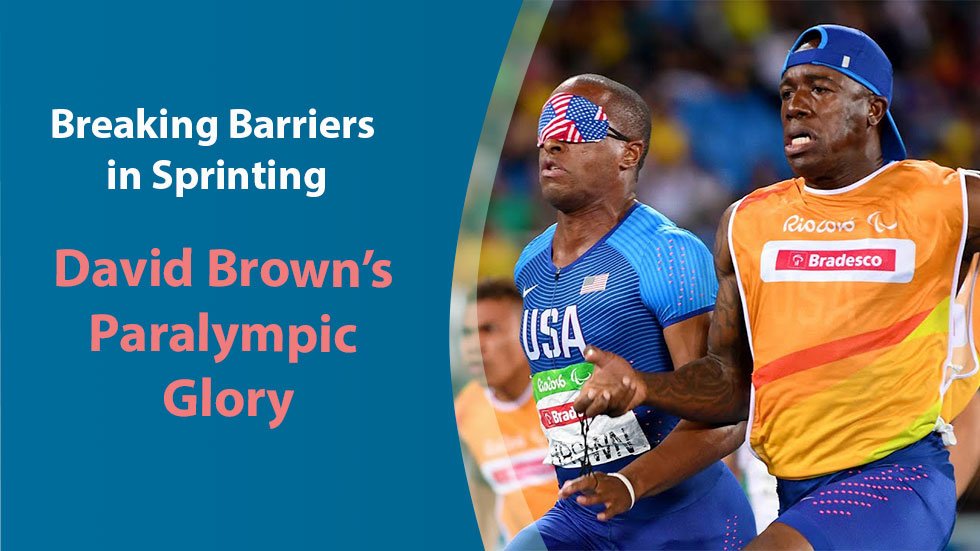
David Brown's Journey Beyond the Paralympic Podium
David Brown's Paralympic success represents years of discipline, training, adaptation, and teamwork. His journey also carries a message that reaches far beyond competitive sprinting: blindness does not have to determine the limits of a person's ambition. For visually impaired children, stories like Brown's can provide encouragement at an important stage of life. A child who sees a blind athlete competing at the highest level may begin to believe that sport, education, technology, and other opportunities are also within reach.
The Physical Demands of Elite Sprinting
Sprinting is one of the most demanding events in athletics. A successful sprinter needs explosive acceleration, strength, coordination, technical precision, reaction speed, and the ability to maintain form under pressure. For a T11 athlete, these physical requirements are combined with the need to coordinate closely with a guide runner. Training therefore requires careful preparation in several areas:
- Starting technique
- Acceleration
- Stride mechanics
- Running rhythm
- Strength and conditioning
- Flexibility
- Recovery
- Race preparation
- Mental focus
Brown's achievements demonstrate how visually impaired athletes can develop elite-level performance when they have access to appropriate coaching and training environments.
Understanding the T11 Sprinting Experience
The T11 classification is designed for athletes with the most significant visual impairment. Because athletes in this classification generally cannot use functional vision to navigate the track, guide runners play an important role in competition. The athlete and guide must coordinate their movements while running at high speed. This requires more than simply running side by side. They must develop an understanding of:
- Running pace
- Stride rhythm
- Acceleration
- Race positioning
- Communication
- Starting procedures
- Finishing technique
Regular joint training allows the partnership to become more natural and predictable.
Why Trust Is Essential Between Athlete and Guide
Trust is one of the most important elements of guide running. A blind sprinter must trust the guide while maintaining their own concentration and physical performance. At the same time, the guide must understand the athlete's running style and respond appropriately throughout the race. At elite sprinting speeds, there is little room for hesitation. That makes preparation especially important. The athlete and guide need to develop a relationship in which communication becomes clear and efficient through repeated practice. Brown's career illustrates how this type of partnership can help create opportunities for athletes who might otherwise face significant barriers to competitive participation.
The Importance of Specialised Coaching
Coaches working with visually impaired athletes may need to adapt their methods without lowering performance expectations. A coach can make training more accessible by using:
- Detailed verbal instructions
- Consistent terminology
- Step-by-step explanations
- Auditory cues
- Appropriate physical guidance
- Repetition
- Individual performance feedback
The objective is to ensure that the athlete receives the information needed to train safely and effectively.
This approach can be particularly important for children who are still learning basic sports skills.
Introducing Blind Children to Sports
David Brown's story demonstrates the value of giving visually impaired children the opportunity to explore sports. A child does not need to show exceptional athletic ability from the beginning. Participation itself can be valuable. Through sports, children can develop:
- Physical strength
- Coordination
- Balance
- Confidence
- Discipline
- Communication
- Teamwork
- Goal-setting
- Social skills
Over time, a child may discover a particular sport that they enjoy and want to pursue more seriously.
Why Early Exposure Can Make a Difference
Children develop skills through repeated experiences. When visually impaired children have opportunities to participate in sports from an early age, they can become familiar with physical activity and learn how to adapt to different environments. Early participation can also help children become more comfortable communicating with coaches and asking for the support they need. This can contribute to self-advocacy and independence later in life.
Building Confidence One Achievement at a Time
Confidence rarely develops through one major achievement. It is often built through small successes. A child may first learn to complete a simple exercise. Later, they may participate in a group activity. Eventually, they may compete in a local event. Each experience can reinforce the idea that progress is possible. For a visually impaired child, these experiences can be especially valuable because they provide opportunities to challenge assumptions about disability.
Help a Visually Impaired Child Discover Their Strengths
David Brown's journey from a blind child to a Paralympic champion demonstrates what can become possible when talent receives opportunity, training, and support. Many visually impaired children still face barriers to sports, education, rehabilitation, assistive technology, mobility training, and other essential services. Battle for Blind Foundation works to create opportunities for visually impaired children through education, sports training, rehabilitation, assistive technology, mobility support, healthcare, and independent living programmes. Your donation can help a child access opportunities that may strengthen their confidence, skills, and independence. Donate Today and Help a Visually Impaired Child Discover Their Potential
Making Sports Facilities More Accessible
Accessibility begins with the environment. A sports facility may have excellent equipment, but if a visually impaired child cannot navigate the space safely or understand how the programme works, participation can still be difficult. Sports organisations can improve accessibility through:
- Clear verbal orientation
- Consistent facility layouts
- Trained staff
- Safe walking routes
- Accessible transportation
- Appropriate equipment
- Individualised assistance
- Clear communication about schedule changes
These measures can help children become familiar with the environment and participate more confidently.
Sport as a Tool for Independence
Participation in sports can help visually impaired children practise skills that are useful outside the sporting environment. For example, a child may learn to organise their sports equipment, follow a schedule, communicate with a coach, work with teammates, and travel to a familiar training location. These experiences can contribute to broader independent living skills. Independence is developed gradually, and every opportunity to practise responsibility can contribute to a child's development.
The Connection Between Sports and Education
Sports and education can complement each other in the development of visually impaired children. Education provides academic knowledge and prepares children for future careers. Sports can contribute to physical fitness, communication, teamwork, confidence, and discipline. Visually impaired students may also need additional educational resources such as:
- Braille books and learning materials
- Screen readers
- Accessible digital content
- Assistive technology
- Audio learning resources
- Specialised educational support
When children receive support across these areas, they can develop a stronger foundation for their future.
Assistive Technology and Digital Independence
Technology can help visually impaired children access information and participate more independently in education and everyday life. Depending on individual needs, useful tools may include screen readers, Braille displays, accessible smartphones, voice-controlled applications, magnification software, and audio-based learning resources. These technologies can help children read digital content, complete assignments, communicate, research information, and access online learning. However, children may also need training to use assistive technology effectively. Providing both the appropriate device and the knowledge required to use it can make a significant difference.
Orientation and Mobility Training
Mobility is another important part of independence for people with visual impairments. Orientation and mobility training can help children learn how to navigate different environments safely and confidently. Depending on their needs, children may learn techniques involving:
- Mobility aids
- Environmental awareness
- Auditory information
- Tactile information
- Route planning
- Safe travel practices
Improved mobility can make it easier for children to attend school, participate in sports, visit community spaces, and eventually travel independently.
The Role of Families in Encouraging Participation
Families can have a major influence on how children view their own abilities. Encouraging a visually impaired child to explore different activities can help them discover interests that may otherwise remain hidden. Parents and caregivers can support children by:
- Encouraging exploration
- Celebrating progress
- Communicating with coaches and teachers
- Understanding accessibility needs
- Supporting regular practice
- Encouraging independence
- Allowing children to make age-appropriate choices
The focus should be on helping children develop confidence rather than placing pressure on them to achieve elite results.
Supporting Visually Impaired Girls in Sports
Accessible sports can also play an important role in empowering visually impaired girls. Girls with disabilities may experience additional barriers to participation, including limited access to facilities, transportation, coaching, and social opportunities. Sports programmes can provide an environment where girls can develop:
- Self-confidence
- Physical fitness
- Leadership skills
- Communication
- Teamwork
- Independence
Creating opportunities for girls early in life can help them develop confidence that extends beyond sports.
Why Financial Support Matters
Inclusive programmes require resources. Sports initiatives may need coaches, equipment, accessible facilities, transportation, and specialised training. Education programmes may require Braille materials and assistive technology. Rehabilitation and mobility programmes may require trained professionals and appropriate equipment. For families facing financial difficulties, meeting these additional needs can be challenging. Donor support can help organisations provide services and opportunities that might otherwise remain inaccessible.
From David Brown's Success to Future Opportunities
David Brown's Paralympic gold medal represents the achievement of one exceptional athlete. But his story can also inspire a broader goal: creating opportunities for the next generation of visually impaired children. Not every child will become a Paralympic athlete. Some may become professionals, teachers, entrepreneurs, artists, technology specialists, community leaders, or advocates. The important thing is that children have access to the resources needed to explore their own potential.
Every Child Deserves the Opportunity to Try
Potential can remain hidden when children are denied opportunities because of assumptions about disability. Giving visually impaired children access to sports, education, technology, rehabilitation, and mobility training allows them to discover their own abilities. David Brown's story reminds us that extraordinary achievements can begin with something simple: an opportunity to participate.
David Brown's Impact on the Future of Blind Athletics
David Brown's achievements have significance beyond his own competitive career. As a blind Paralympic sprinter who reached the highest level of international competition, his story has helped demonstrate the possibilities that exist for athletes with visual impairments. His journey also highlights an important responsibility for communities and organisations: talented children should have opportunities to discover their abilities rather than having their potential limited by a lack of access.
Breaking Stereotypes Through Athletic Achievement
People with visual impairments can face assumptions about what they can and cannot do. Competitive sport provides a powerful way to challenge those assumptions. David Brown's success demonstrates that blindness does not prevent an athlete from developing exceptional speed, strength, discipline, and competitive ability. His achievements can encourage a broader understanding of disability. A person who is blind can participate in demanding physical activities while using appropriate adaptations and support. This message is particularly important for children who are still developing their understanding of their own abilities.
The Value of Paralympic Representation
Paralympic athletes provide visibility for people with disabilities around the world. When young visually impaired people see athletes such as David Brown competing internationally, they can see an example of someone who has pursued an ambitious goal despite facing challenges related to vision loss. Representation can encourage children to explore possibilities in their own lives. That could mean sport, education, technology, creative work, entrepreneurship, or another field. The purpose of representation is not to suggest that every child should become an elite athlete. It is to demonstrate that disability does not automatically define the limits of a person's future.
Why Guide Running Is More Than Assistance
The guide-athlete relationship is one of the most distinctive features of blind sprinting. It is easy for people unfamiliar with Para athletics to think of a guide runner simply as someone helping an athlete navigate the track. In reality, the relationship involves detailed preparation and coordination. The athlete and guide must understand each other's pace, rhythm, movement, communication, and race strategy. They need to develop enough trust to react almost instinctively during competition. This partnership demonstrates an important principle of inclusion: providing support should help a person demonstrate their own abilities rather than taking away their independence or achievement.
Creating Better Opportunities for Blind Athletes
For a visually impaired athlete to progress from recreational participation to elite competition, several forms of support may be required. These can include:
- Accessible sports facilities
- Qualified coaches
- Guide runners
- Appropriate equipment
- Transportation
- Competition opportunities
- Medical and rehabilitation support
- Financial assistance
- Accessible information
Without these resources, even highly talented athletes may struggle to develop their potential.
Investing in accessible sports is therefore an investment in opportunity.
Helping Children Move From Participation to Competition
A strong sports programme can provide different levels of participation. Children can begin with basic physical activities and gradually progress as their interests and abilities develop. A possible pathway may include:
- Introduction to physical activity
- Learning basic movement skills
- Joining an accessible sports programme
- Developing sport-specific skills
- Participating in local competitions
- Receiving specialised coaching
- Progressing toward higher-level competition
Not every child will follow this entire pathway, and there is no requirement to do so.
The value lies in giving children choices.
Your Donation Can Help Open the Door to Opportunity
David Brown's journey shows what can happen when a visually impaired athlete receives the opportunity to develop talent through training and competition. Many children with visual impairments still need access to sports, education, Braille resources, assistive technology, mobility training, rehabilitation, and other forms of support. Battle for Blind Foundation works to create opportunities that can help visually impaired children build skills, confidence, and greater independence. Your donation can help support programmes that give children access to resources and experiences that may otherwise be difficult to afford. 👉 Donate Today and Help Create Opportunities for a Visually Impaired Child
Sports Can Build More Than Physical Strength
One of the most valuable aspects of sports participation is that children learn skills that can be used outside the playing environment. A visually impaired child may develop confidence by learning to move independently through a sports facility. They may learn communication by working with a coach. They may develop teamwork by participating in a group activity. They may learn resilience by experiencing both success and disappointment. These experiences can contribute to personal growth.
Developing Resilience Through Competition
Competition naturally includes both victories and setbacks. Learning how to respond to both can help children develop resilience. A child who does not perform as expected in one competition can learn that one result does not determine their ability or future. They can identify areas for improvement, continue training, and try again. This mindset can be valuable beyond sport. Education, employment, relationships, and independent living all involve challenges that require persistence and adaptability.
The Importance of Accessible Transportation
Even when sports programmes are available, transportation can remain a significant barrier for visually impaired children. A child may have access to a suitable training facility but be unable to reach it safely or affordably. Accessible transportation and travel support can therefore be an important part of an inclusive sports programme. Improving transportation access can also help children attend school, rehabilitation sessions, community activities, and other programmes.
Connecting Sports With Independent Living
Independence is built through many different experiences. Sports can provide a structured environment where visually impaired children practise communication, organisation, movement, scheduling, and responsibility. These skills can complement formal independent living and mobility training. Over time, children can become more confident in managing activities without unnecessary assistance.
Education and Career Preparation
While sports can play an important role in development, education remains essential for preparing visually impaired children for future opportunities. Accessible education may require additional resources, including:
- Braille textbooks
- Screen-reading technology
- Accessible digital content
- Audio learning materials
- Specialised instruction
- Assistive devices
Career preparation can also involve vocational training, digital skills, communication skills, and independent living support.
Providing these resources can help children build a broader range of abilities for adulthood.
Assistive Technology as a Tool for Independence
Assistive technology can make information and digital services more accessible to people with visual impairments. Children may use screen readers, Braille displays, accessible smartphones, voice assistants, or other tools depending on their needs. These technologies can support:
- Reading
- Writing
- Research
- Communication
- Online learning
- Digital organisation
- Access to educational resources
Teaching children how to use these tools effectively can help them become more independent learners.
Supporting Visually Impaired Girls
Sports and education opportunities are particularly important for visually impaired girls. Girls with disabilities can face barriers that may limit participation in physical activity and community programmes. Providing accessible sports opportunities can help girls develop confidence and challenge assumptions about what they can achieve. Programmes can support girls in developing:
- Physical confidence
- Leadership
- Communication
- Teamwork
- Discipline
- Independence
Creating safe and supportive environments can make participation more comfortable and meaningful.
Why Community Support Matters
Supporting visually impaired children is not the responsibility of one person or organisation alone. Families, schools, coaches, healthcare professionals, volunteers, donors, community organisations, and government programmes can all contribute to a more inclusive environment. When these groups work together, children can receive more comprehensive support. Community support can also help raise awareness about accessibility and encourage more organisations to create inclusive programmes.
Turning a Champion's Story Into Action
David Brown's achievements can inspire us, but the larger opportunity lies in helping other children begin their own journeys. One child may become a competitive athlete. Another may develop a passion for technology. Another may become an educator or professional. Another may simply gain the confidence to travel independently and participate actively in community life. Every outcome matters.
The Importance of Believing in Potential
Children often need someone to believe in their abilities before they have learned to believe in themselves. A supportive coach can encourage a child to try again. A teacher can provide accessible learning materials. A parent can encourage exploration. A mentor can demonstrate new possibilities. A donor can help provide the resources that make these opportunities possible. Together, these forms of support can help a visually impaired child develop a stronger sense of possibility.
David Brown's Message for the Next Generation
David Brown's journey can be viewed as a message of determination. His blindness did not prevent him from becoming a world-class sprinter. Instead, he adapted to the demands of his sport, worked with guide runners, trained extensively, and competed at the highest level. His story encourages young people with visual impairments to explore their abilities rather than allowing assumptions to define them.
Building a Future Where Opportunity Comes First
A truly inclusive society should give children opportunities before making assumptions about their limitations. For visually impaired children, this means creating access to education, sports, technology, healthcare, rehabilitation, mobility training, and independent living support. When these opportunities are available, children can discover their interests and make decisions about their own futures. David Brown's journey is a powerful reminder of what can become possible when opportunity meets determination.
Help Support the Next Generation of Visually Impaired Children
David Brown had the opportunity to develop his athletic ability and compete for Paralympic gold. Many visually impaired children are still waiting for access to the resources they need to discover their own strengths. Battle for Blind Foundation is committed to supporting visually impaired children through education, sports training, rehabilitation, assistive technology, mobility support, healthcare, and independent living initiatives. Your contribution can help provide opportunities that may strengthen a child's confidence, skills, and ability to pursue a more independent future. Donate Now and Help Empower a Visually Impaired Child
What David Brown's Journey Teaches Us
1. Vision Loss Does Not Define Potential
Blindness can create challenges, but it does not determine the full range of a person's abilities.
2. The Right Support Can Remove Barriers
Guide runners, coaches, accessible facilities, equipment, and training can help visually impaired athletes compete effectively.
3. Confidence Develops Through Experience
Children can become more confident when they have opportunities to practise skills and experience progress.
4. Inclusive Sports Can Support Independence
Sports can help children develop physical, social, communication, and organisational skills that can be useful in everyday life.
5. Opportunity Should Come Before Assumptions
Children deserve the chance to explore their abilities before anyone decides what they can or cannot achieve.
Frequently Asked Questions About David Brown
1. Who is David Brown?
David Brown is an American Paralympic sprinter who competes in the T11 classification for athletes with significant visual impairment. He is known for his achievements in international sprinting and his Paralympic success.
2. Why is David Brown blind?
David Brown was born prematurely and developed retinopathy of prematurity, an eye condition that resulted in blindness.
3. What is David Brown's Paralympic classification?
David Brown competes in the T11 classification. This category is for athletes with the most significant visual impairment and generally involves the use of a guide runner in track events.
4. Why does David Brown run with a guide?
As a T11 athlete, Brown cannot rely on functional vision to navigate the track during a sprint. A guide runner helps coordinate the race while allowing Brown to focus on his running performance.
5. What is the role of a guide runner?
A guide runner runs alongside the visually impaired athlete and helps with navigation and race coordination. The athlete and guide must develop strong trust, communication, timing, and running rhythm through extensive training.
6. Did David Brown win a Paralympic gold medal?
Yes. David Brown won the men's 100-metre T11 gold medal at the Rio 2016 Paralympic Games. The achievement was an important milestone in his international sprinting career.
7. What can children learn from David Brown's story?
Children can learn that vision loss does not automatically determine their potential. Brown's journey highlights the importance of determination, training, teamwork, accessibility, and opportunities to develop individual abilities.
8. Why are sports important for visually impaired children?
Sports can help visually impaired children develop physical fitness, coordination, confidence, discipline, communication, teamwork, and independence. Participation can also help children discover interests and build social connections.
9. What support do visually impaired children need to participate in sports?
Depending on the child and sport, support may include trained coaches, accessible facilities, specialised equipment, guide support, safe transportation, clear verbal instructions, rehabilitation, and individualised assistance.
10. How can I help visually impaired children through Battle for Blind Foundation?
You can support Battle for Blind Foundation through donations, volunteering, sponsorship, CSR partnerships, and other forms of assistance. Donations can help support education, sports training, Braille literacy, rehabilitation, assistive technology, mobility, healthcare, and independent living programmes.
David Brown's Lasting Legacy
David Brown's journey from a blind child to a Paralympic gold medalist is a powerful example of what can happen when ability is combined with opportunity, preparation, and determination. His achievements on the track demonstrate that blindness does not prevent an athlete from competing at an elite level. His partnership with guide runners also highlights the importance of trust and collaboration in inclusive sport. But his legacy is about more than a medal. For visually impaired children, Brown's story can provide representation and encouragement. It shows that a visual impairment does not have to become the only thing that defines a person's future.
From Inspiration to Real Opportunity
Stories of Paralympic success can inspire people, but meaningful change requires practical opportunities. A visually impaired child who wants to participate in athletics may need access to a trained coach and suitable facilities. Another child may need Braille learning materials. Someone else may require assistive technology or mobility training. Each child has different needs, interests, and ambitions. The goal should be to provide the support necessary for children to explore their abilities and make progress toward their own goals.
Help Empower a Visually Impaired Child
Battle for Blind Foundation works to create opportunities for visually impaired children through education, sports training, Braille literacy, rehabilitation, assistive technology, mobility support, healthcare, and independent living initiatives. Your donation can help provide resources and opportunities that allow children to learn, participate, build confidence, and prepare for greater independence. Donate Today and Help Give a Visually Impaired Child a Better Opportunity to Thrive
Why Every Child Deserves the Chance to Try
David Brown's achievements began with the opportunity to develop his abilities. Many visually impaired children may never discover their interests if they are not given access to inclusive programmes. Not every child needs to become a Paralympic athlete. For one child, success may mean completing a swimming lesson. For another, it may mean learning Braille. Another may gain confidence using a screen reader or travelling independently with mobility skills. These achievements can become important steps toward greater independence.
Creating a More Inclusive Future
Inclusion means ensuring that people with disabilities have meaningful opportunities to participate in education, sports, employment, community life, and other areas of society. For visually impaired children, this may require additional support and accessible resources. Education, sports, rehabilitation, assistive technology, mobility training, healthcare, and independent living skills can work together to create a stronger foundation for adulthood. When children receive support early, they have more opportunities to develop skills and confidence over time.
Supporting the Next Generation
David Brown's story represents what is possible when a visually impaired athlete receives the right combination of training, opportunity, and determination. There are many other children whose potential has not yet been discovered. They may need access to a sports programme, educational support, Braille materials, assistive technology, mobility training, rehabilitation, or simply an environment where their abilities are encouraged. Supporting these opportunities can help children take meaningful steps toward a more confident and independent future. Donate Now and Help Create Opportunities for Visually Impaired Children
Help Turn Inspiration Into Action
David Brown's journey shows that blindness does not have to determine the boundaries of a person's ambition. His success as a Paralympic sprinter demonstrates the value of training, accessible competition, guide-athlete partnerships, and long-term support. For today's visually impaired children, the goal should be to provide opportunities before limitations become assumptions. Whether a child dreams of becoming an athlete, wants to succeed in education, hopes to use technology independently, or simply wants to participate more confidently in everyday life, the right support can make a meaningful difference. Your support can help create those opportunities. Donate Now and Help Give a Visually Impaired Child a More Independent Future
Support the Visually Impaired
People to make them Independent

Every little contribution you make will be a little flicker of light in the lives of visually impaired girls who dream of a brighter future.
Donate now

In case you have donated directly through UPI, Bank transfer, through cheque kindly WhatsApp your details on +91-8383933493

Every Contribution will be utilized with 100% transparency. The beneficiary photographs will be sent to you with an 80G Tax Benefit Certificate

Battle For Blindness Foundation committed to 93% go directly towards projects that directly benefit the Abandoned blind girls

